
When it comes to post-exercise recovery, oxygen plays a vital yet often overlooked role. Many people focus on protein intake or rest, but the body’s need for oxygen is crucial in repairing and replenishing muscles. This article delves into why oxygen is a key player in muscle recovery and how optimizing oxygen levels can enhance your fitness results.
Why Is Oxygen Important for Muscle Recovery?
After an intense workout, your muscles are in a state of stress and minor injury. Oxygen is essential for the recovery process because:
- 1. Energy Production: During exercise, muscles use up energy (in the form of ATP), and oxygen is crucial for replenishing that energy. Without enough oxygen, the body can’t efficiently generate ATP, slowing recovery.
- 2. Waste Removal: Lactic acid and other metabolic waste build up in your muscles post-workout. Oxygen helps to flush these out, reducing soreness and stiffness.
- 3. Cellular Repair: Oxygen is essential for cell regeneration. The cells that repair muscle fibers rely on oxygen to function, meaning a higher oxygen intake speeds up muscle repair.
The Role of Oxygen in Reducing Muscle Soreness:
Muscle soreness, also known as DOMS (Delayed Onset Muscle Soreness), is a common post-exercise complaint. Increasing oxygen availability during and after workouts can reduce the impact of DOMS by decreasing the buildup of lactic acid and other byproducts. When muscles get adequate oxygen, they can recover more quickly and experience less inflammation.
How to Increase Oxygen Intake for Better Recovery:
Optimizing your oxygen intake can improve muscle recovery in several ways:
- Breathing Techniques: Deep, controlled breathing increases oxygen flow to muscles. Techniques like diaphragmatic breathing can be practiced during cooldowns to help boost oxygen levels.
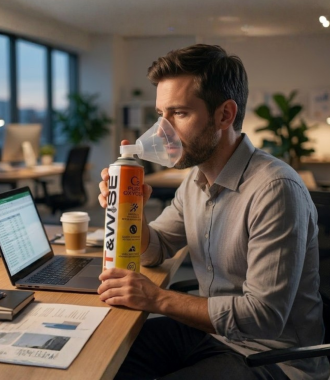
- Portable Oxygen Cans: These are an effective and convenient solution for athletes and fitness enthusiasts looking to improve recovery. Products like Fit&Wise Portable Oxygen Can offer a quick boost in oxygen levels, enhancing recovery time and reducing fatigue.
- Oxygen-Rich Environments: Recovery in areas with better air quality or even oxygen therapy rooms can help the muscles replenish oxygen levels more effectively.
- Active Recovery: Engaging in light exercise or stretching helps maintain oxygen circulation, keeping muscles supplied with the oxygen needed for repair.
Benefits of Adequate Oxygen Supply for Post-Workout Recovery:
Optimizing your oxygen intake can improve muscle recovery in several ways:
- Faster Muscle Repair: Cells regenerate more efficiently when supplied with sufficient oxygen.
- Reduced Fatigue: Oxygen boosts energy levels, reducing the feeling of tiredness after exercise.
- Better Performance: A well-recovered muscle performs better in subsequent workouts, helping you achieve your fitness goals faster.
Conclusion:
Oxygen is often an unsung hero in the recovery process after exercise. Whether you’re an athlete or simply someone who enjoys staying active, ensuring your muscles get the oxygen they need can speed up recovery, reduce soreness, and enhance your overall performance. By incorporating oxygen-boosting strategies like deep breathing, using a portable oxygen can, and focusing on active recovery, you can optimize muscle recovery and get the most out of your fitness routine.