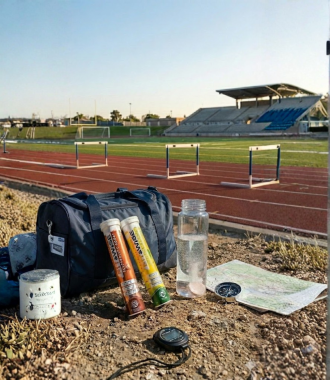

Children and adolescents participating in sports have unique hydration and nutritional needs due to rapid growth, higher metabolic rates, developing muscles, and immature thermoregulation systems. Unlike adults, children produce more heat during physical activity and cool down less efficiently, which increases their risk of dehydration and electrolyte loss during training, matches, and outdoor play. As sports participation continues to rise across schools, academies, and recreational programs, understanding safe hydration practices becomes essential for protecting young athletes’ health and performance.
During physical activity, young athletes lose fluids and essential electrolytes through sweat much faster than many parents and coaches realize. Replacing only water often fails to restore the mineral balance required for optimal muscle contraction, nerve signaling, energy production, and cardiovascular stability. Over time, inadequate electrolyte replacement can contribute to early fatigue, muscle cramps, reduced coordination, and lower endurance — impacting both safety and enjoyment of sports.
Electrolytes such as sodium, potassium, calcium, and magnesium regulate hydration balance, muscle movement, heart rhythm, nerve impulses, and body temperature control. When children sweat heavily during sports sessions, summer camps, tournaments, or prolonged outdoor activities, these minerals are depleted from the body. Without timely replenishment, electrolyte imbalance may increase the risk of cramps, dizziness, overheating, headaches, and performance decline.
Why Young Athletes Are More Vulnerable to Dehydration
Young athletes face several physiological challenges that make hydration more critical:
- Higher surface-area-to-body-weight ratio increases heat absorption
- Lower sweat efficiency limits cooling ability
- Developing thirst mechanisms may not signal dehydration early
- Increased activity levels and excitement delay hydration awareness
- Faster metabolism accelerates fluid loss
Children often remain deeply focused on the game and ignore early thirst cues. By the time thirst becomes noticeable, mild dehydration may already be present. This risk increases significantly in hot weather, humid environments, indoor courts with limited ventilation, and high-intensity sports such as football, cricket, basketball, athletics, swimming, and cycling.
Signs of Electrolyte Depletion in Young Athletes
Recognizing early warning signs allows parents and coaches to intervene promptly. Common indicators include:
- Muscle cramps, stiffness, or twitching during or after activity
- Unusual tiredness, weakness, or low stamina
- Headaches, dizziness, or lightheadedness
- Reduced coordination, slower reaction time, or clumsiness
- Irritability, poor focus, or difficulty concentrating
- Dry mouth, reduced sweating, or dark urine
Ignoring these signs may increase the risk of heat exhaustion, injuries, or prolonged recovery time.
How Electrolytes Support Hydration and Performance
Electrolytes play a critical role in fluid absorption and distribution within the body. Sodium helps retain fluids and maintain blood volume, reducing dehydration risk. Potassium supports muscle relaxation and proper nerve signaling, preventing cramps and weakness. Magnesium contributes to muscle recovery and reduces muscle fatigue. Calcium supports muscle contraction and bone development, which is especially important for growing children.
Electrolytes also help regulate body temperature and prevent overheating by supporting efficient sweating and circulation. Balanced electrolyte intake enables faster hydration compared to plain water alone, helping young athletes maintain energy levels, endurance, and mental focus throughout training and competition.
Safe Electrolyte Practices for Children
Hydration strategies for children should always prioritize balance and safety. Excessive sugar intake from conventional sports drinks may cause energy spikes, digestive discomfort, tooth decay, and unnecessary calorie consumption. Artificial colors and additives may also trigger sensitivity in some children.
Low-sugar, balanced electrolyte formulations are better suited for regular sports participation when used under parental guidance. Electrolytes should supplement water intake rather than replace normal hydration habits.
Parents and coaches can support hydration safety by:
- Encouraging regular hydration breaks before, during, and after activity
- Teaching children to drink even when not feeling thirsty
- Monitoring urine color as a simple hydration indicator
- Providing electrolyte supplementation during long, intense, or hot sessions
- Avoiding high-sugar beverages and carbonated drinks
- Adjusting hydration strategies based on weather, duration, and intensity
- Ensuring proper meals to support overall nutrient balance
Hydration should begin before physical activity and continue throughout the day, not only during sports sessions.
When Electrolytes Are Most Beneficial for Young Athletes
Electrolyte supplementation may be especially useful during:
- Summer sports camps and outdoor tournaments
- Extended training sessions lasting over 60 minutes
- Multiple matches in a single day
- High-sweat sports or endurance activities
- Travel tournaments with climate changes
- Recovery after intense physical exertion
In these scenarios, balanced electrolyte intake supports faster recovery, reduces cramp risk, and maintains steady performance.
Supporting Smart Hydration with Fit&Wise Electrolyte Boost
Fit&Wise Electrolyte Boost provides a balanced electrolyte profile designed to support hydration without excessive sugar content. When mixed with water, it helps replenish essential minerals lost through sweat, supporting steady hydration, muscle recovery, and sustained energy levels. Its convenient tablet format makes it easy for parents to carry during practice sessions, matches, school sports days, and travel.
Used responsibly under parental supervision, Fit&Wise Electrolyte Boost offers a practical solution for maintaining hydration balance during active routines while avoiding unnecessary sugar overload.
Building Healthy Hydration Habits Early
Proper hydration habits established early promote long-term athletic performance, injury prevention, and overall health. Teaching children the importance of electrolyte balance helps them understand body signals such as thirst, fatigue, cramps, and overheating. This awareness encourages responsible self-care, better recovery practices, and smarter nutrition habits that carry into adulthood.
Parents, schools, and coaches play a vital role in modeling healthy hydration behavior and creating structured hydration routines during sports programs.
Long-Term Benefits of Balanced Hydration for Young Athletes
Consistent hydration and electrolyte balance support:
- Improved endurance and stamina
- Faster muscle recovery and reduced soreness
- Better focus and reaction time
- Lower risk of heat-related illness
- Enhanced training consistency and injury prevention
- Overall physical growth and development
As youth sports participation continues to expand across competitive and recreational levels, structured hydration strategies become essential for safety and performance. Balanced electrolyte intake supports endurance, reduces heat stress risks, and allows young athletes to enjoy sports confidently while protecting their growing bodies.
By integrating smart hydration practices and reliable solutions like Fit&Wise Electrolyte Boost, families can empower young athletes to perform safely, recover effectively, and build lifelong wellness habits.