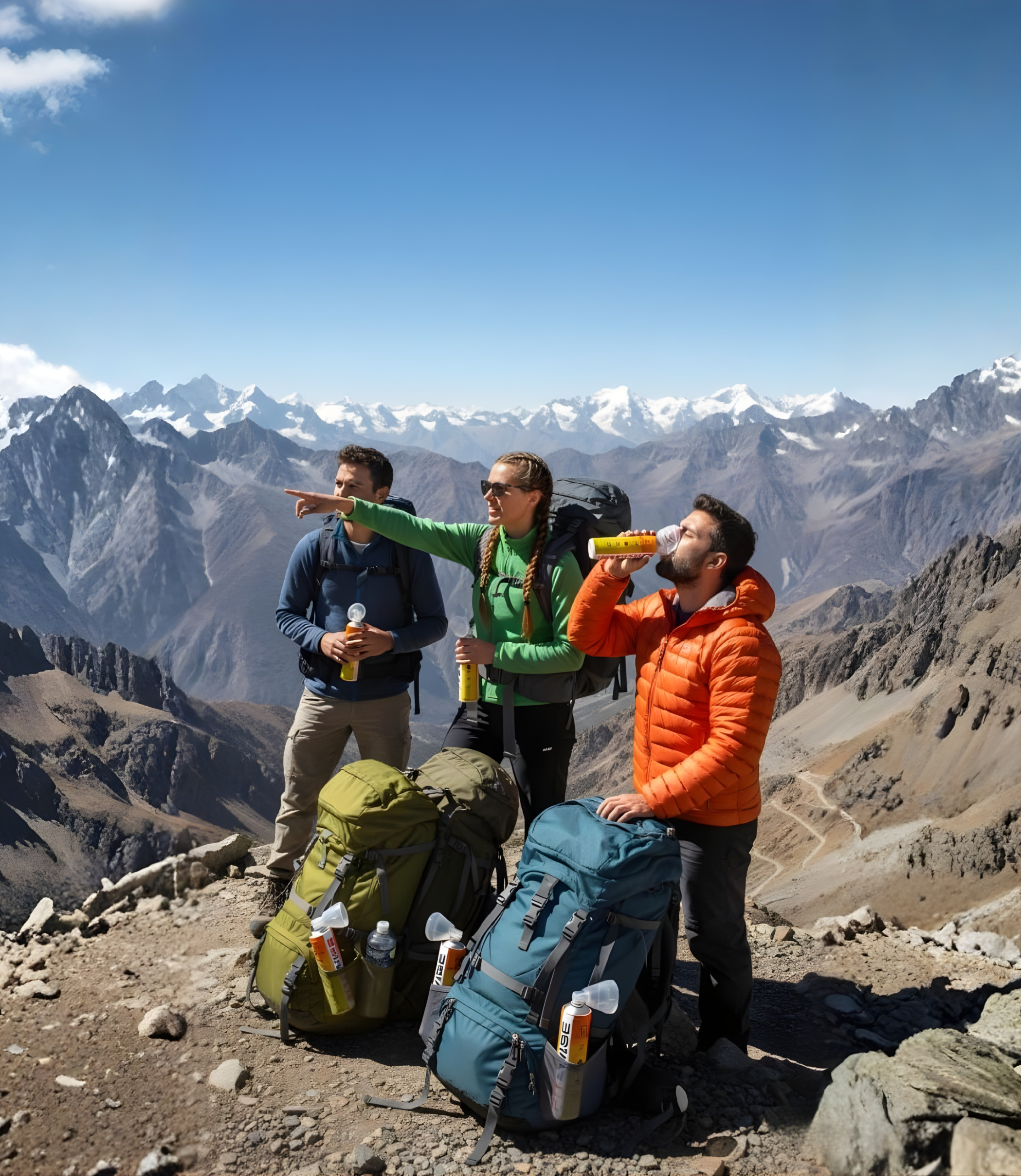

High-altitude environments offer breathtaking landscapes and thrilling adventure opportunities, but they also place significant physiological stress on the human body. As altitude increases, atmospheric pressure drops and oxygen availability decreases, making it harder for the lungs to absorb sufficient oxygen with each breath. For climbers, mountaineers, trekkers, and skiers, this reduced oxygen supply can quickly lead to fatigue, breathlessness, dizziness, reduced coordination, and slower recovery.
Even well-trained athletes can experience performance decline at elevation. The body requires time to acclimatize, yet many recreational climbers and ski travelers ascend rapidly due to modern transportation and limited travel schedules. Portable oxygen solutions provide immediate respiratory support during these transitional phases, helping the body stabilize oxygen saturation and maintain energy levels.
At elevations above 2,500 meters, oxygen concentration decreases significantly. Muscles receive less oxygen for energy production, and the brain becomes more sensitive to oxygen fluctuations, affecting focus, balance, and reaction time. Cold temperatures further increase oxygen demand as the body works harder to maintain core warmth and circulation.
Common altitude-related challenges faced by climbers and skiers include:
- Shortness of breath during moderate activity
- Rapid heartbeat and shallow breathing
- Headaches or lightheadedness
- Reduced endurance and muscle fatigue
- Difficulty sleeping at altitude
- Slower recovery between activity sessions
Supplemental oxygen provides a quick method to increase oxygen intake without invasive equipment. Short inhalations help restore oxygen levels in the bloodstream, supporting clearer breathing, improved mental alertness, and better muscle oxygenation during breaks or recovery periods.
Physiologically, oxygen supports aerobic energy production within muscle cells. When oxygen availability drops, the body shifts toward anaerobic metabolism, leading to quicker fatigue and lactic acid accumulation. Supplemental oxygen helps rebalance this process by improving oxygen delivery to tissues and supporting efficient energy generation.
Oxygen intake also benefits the nervous system by stabilizing oxygen flow to the brain, reducing symptoms such as dizziness, mental fog, and slowed reflexes—critical factors for safety during technical climbs, descents, and ski navigation.
Practical benefits of carrying portable oxygen during mountain activities include:
- Faster recovery during rest intervals
- Reduced altitude-related discomfort
- Improved breathing efficiency in cold air
- Better concentration and coordination
- Enhanced confidence during extended climbs or slopes
- Support during sudden weather or terrain changes
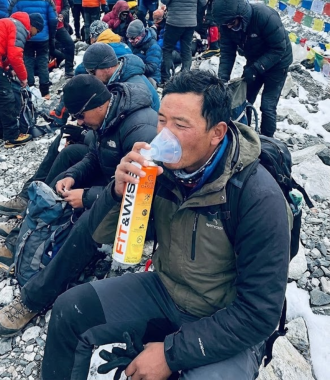
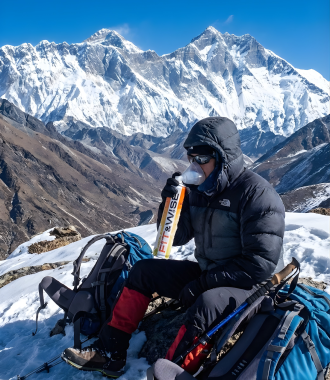
Climbers often use oxygen during acclimatization breaks to help the body adapt more comfortably to elevation changes. Skiers benefit from improved breathing comfort after long downhill runs or extended exposure to cold air, which can dry airways and increase respiratory strain.
Sleep quality at altitude is frequently disrupted due to lower oxygen saturation during rest. Supplemental oxygen before bedtime may help support calmer breathing and more stable overnight recovery, contributing to better next-day performance and alertness.
Environmental factors such as wind exposure, dehydration, and intense sun radiation further increase physical stress in high-altitude zones. Combining proper hydration, electrolyte balance, layered clothing, and oxygen support creates a comprehensive altitude wellness strategy.
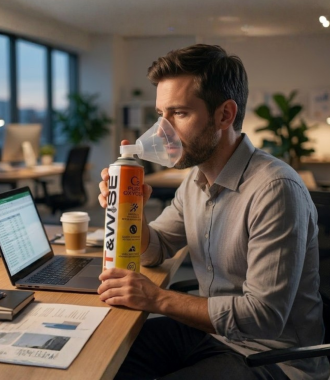
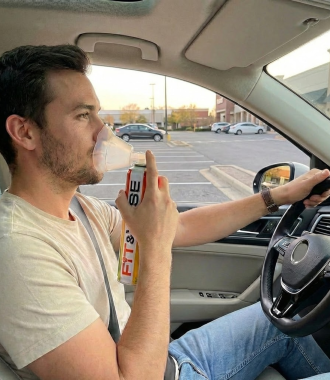
Fit&Wise Portable Oxygen Can offers a compact, lightweight, and easy-to-use solution for climbers and skiers who require quick respiratory support without bulky equipment. Its portability allows convenient storage in backpacks, ski bags, or jacket compartments, ensuring immediate access during demanding conditions.
Unlike traditional oxygen systems, portable cans provide flexibility and convenience for short bursts of relief without interrupting activity flow. This makes them ideal for recreational travelers, adventure athletes, photographers, and instructors operating at elevation.
For safety planning, oxygen cans complement existing altitude precautions such as gradual ascent, hydration monitoring, adequate nutrition, and proper rest scheduling. They serve as an added layer of preparedness rather than a replacement for acclimatization protocols.
Key situations where portable oxygen proves especially useful include:
- Rapid ascents or cable car transitions
- High-output skiing sessions
- Extended summit pushes
- Cold-induced breathing discomfort
- Mild altitude-related headaches or fatigue
- Post-activity recovery at elevation
As mountain tourism continues to grow worldwide, accessibility to altitude wellness tools becomes increasingly important. Portable oxygen empowers adventurers to manage oxygen stress proactively, supporting safer experiences, better endurance, and enhanced enjoyment of high-altitude environments.
By integrating smart respiratory support into mountain preparation strategies, climbers and skiers can stay energized, focused, and resilient while embracing the challenges and beauty of elevated terrains.