
High-altitude travel exposes the human body to reduced oxygen availability, lower atmospheric pressure, fluctuating temperatures, and dry environmental conditions. As elevation increases, every breath delivers fewer oxygen molecules to the lungs, reducing oxygen saturation in the bloodstream. This places additional strain on cardiovascular efficiency, muscular endurance, and neurological function. Even healthy, physically fit individuals may experience breathlessness, dizziness, reduced stamina, headaches, or mental fog during altitude transitions.
Trekkers, hikers, mountaineers, adventure tourists, pilgrims, and hill-station travelers often ascend faster than the body can naturally acclimatize. Cable cars, road travel, air travel, and tightly planned itineraries shorten the time required for physiological adaptation, increasing the likelihood of altitude-related discomfort. Supplemental oxygen offers immediate respiratory support during these adjustment phases, allowing travelers to stabilize breathing and improve comfort levels without interrupting travel plans.
How Altitude Impacts Breathing and Physical Performance
At higher elevations, barometric pressure decreases, which reduces the partial pressure of oxygen available for gas exchange in the lungs. Even though the percentage of oxygen in the air remains constant, the effective oxygen delivered to tissues declines significantly. The heart must pump faster to compensate, breathing rate increases, and muscles receive less oxygen for energy production.
Oxygen fuels cellular respiration, allowing muscles and organs to convert nutrients into usable energy. When oxygen intake drops:
- Fatigue develops more rapidly
- Muscular coordination becomes less efficient
- Reaction time slows
- Recovery between exertion phases lengthens
- Cognitive sharpness declines
Brain tissue is especially sensitive to oxygen fluctuations, influencing balance, judgment, concentration, and spatial awareness — critical safety factors in mountainous environments where terrain conditions can be unpredictable.
Environmental stressors further increase oxygen demand. Cold air constricts airways, dry climates accelerate dehydration, wind exposure raises respiratory effort, and physical exertion amplifies oxygen consumption. Combined stress can lead to early exhaustion and decreased exercise tolerance, even among experienced trekkers.
Acclimatization Challenges for Modern Travelers
Natural acclimatization requires time for the body to increase red blood cell production, optimize breathing efficiency, and stabilize circulation. However, modern travel patterns often bypass gradual altitude progression. Travelers may ascend thousands of meters within hours rather than days.
Factors that complicate acclimatization include:
- Rapid altitude gain via flights or cable transport
- Compressed travel itineraries with limited rest days
- Heavy backpacks or physical exertion upon arrival
- Cold weather exposure reducing respiratory comfort
- Dehydration from dry mountain air
- Inadequate sleep during altitude transitions
These factors can amplify symptoms such as shortness of breath, headaches, nausea, poor sleep quality, and reduced physical output.
How Portable Oxygen Supports High-Altitude Comfort
Portable oxygen provides short bursts of concentrated oxygen that help temporarily elevate oxygen saturation levels in the bloodstream. This supports more stable breathing patterns and reduces the sensation of air hunger commonly experienced at elevation.
Unlike bulky oxygen systems, portable oxygen cans require no complex setup, no electricity, and minimal space. They offer instant respiratory support that fits easily into trekking backpacks, travel kits, or vehicle compartments, making them ideal for recreational travelers and outdoor enthusiasts.
Portable oxygen supports:
- Improved breathing comfort during exertion
- Reduced perceived breathlessness on steep climbs
- Better mental clarity and alertness
- Faster recovery during rest breaks
- Enhanced confidence during unfamiliar terrain exposure
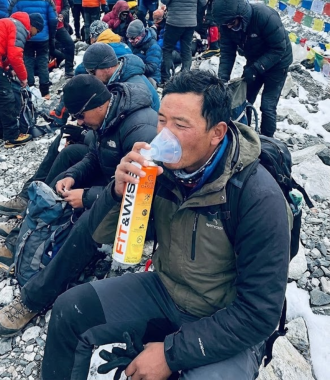
Trekkers and high-altitude visitors often use portable oxygen in situations such as:
- Sudden breathlessness during steep ascents
- Fatigue during extended hiking sessions
- Mild altitude headaches or dizziness
- Cold-induced respiratory discomfort
- Post-activity recovery periods
- Long travel days involving elevation changes
- Waiting periods at viewpoints or transit stops
Fit&Wise Portable Oxygen Can for Travel Convenience and Safety
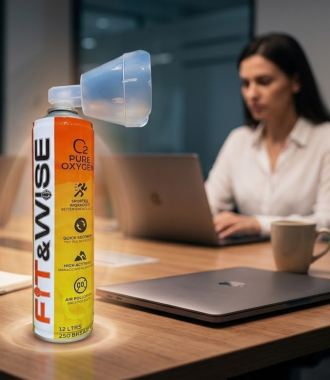
Fit&Wise Portable Oxygen Can offers a lightweight, compact solution for travelers seeking convenient respiratory support. The ergonomic design allows easy storage inside backpacks, carry-on luggage, glove compartments, or trekking pouches, ensuring fast accessibility whenever breathing comfort needs improvement.
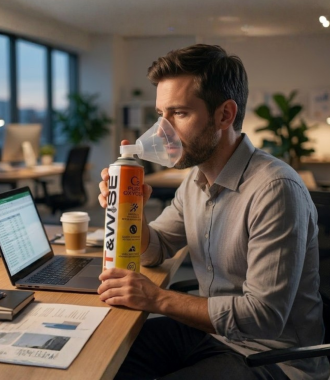
The simple inhalation mechanism allows users to take controlled oxygen breaths without technical knowledge or assembly. This makes it suitable for first-time altitude travelers, senior tourists, photographers, adventure groups, and family travelers visiting elevated destinations.
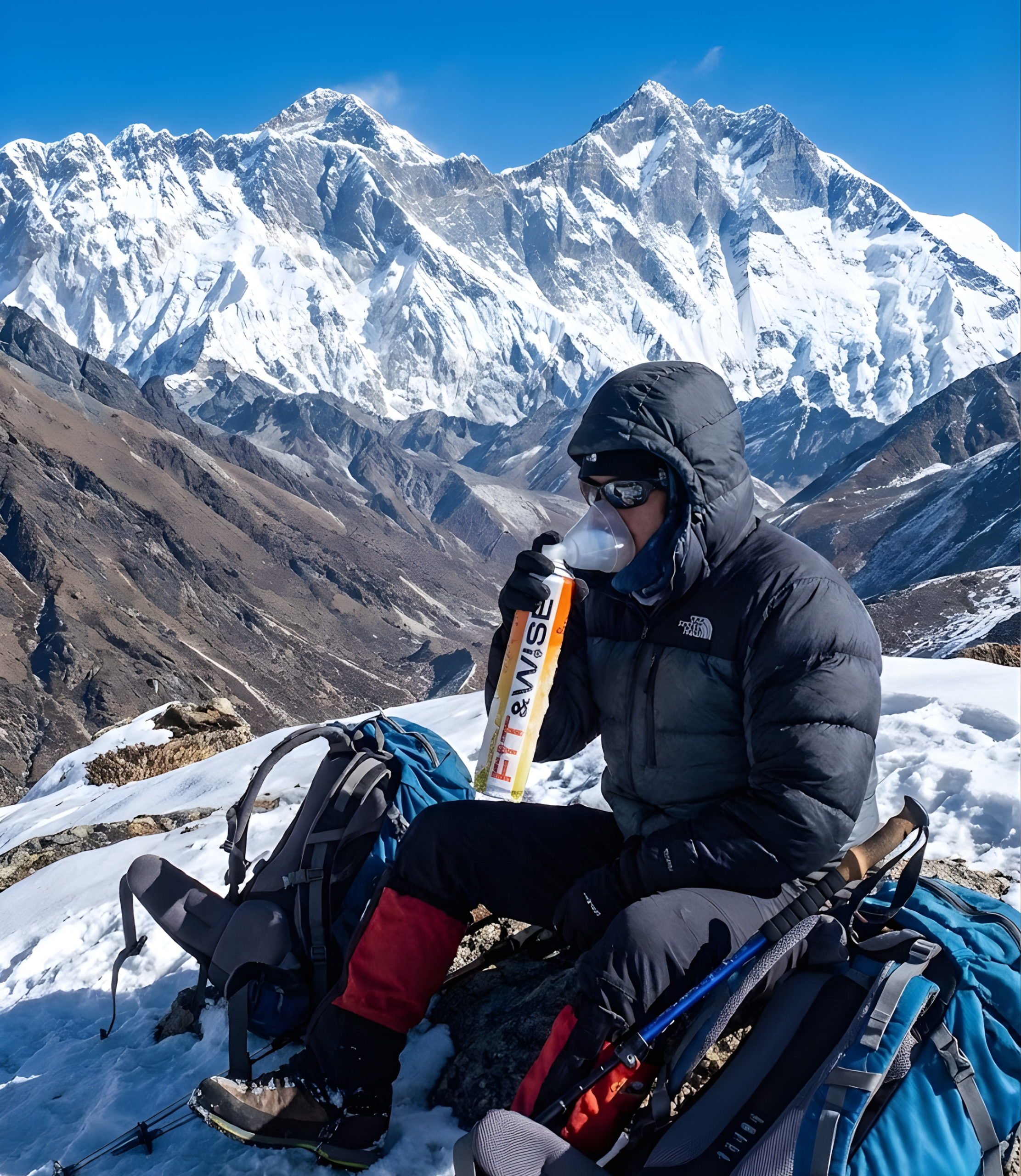
Short inhalation cycles help increase oxygen availability in circulation, supporting muscle efficiency and improving mental focus. Many travelers experience better breathing comfort during rest stops, reduced heaviness in the chest, and quicker recovery between walking intervals.
The portability factor enables consistent access without disrupting mobility, which is essential during trail navigation, sightseeing schedules, or remote location travel.
Sleep and Recovery Benefits at Altitude
Sleep quality often declines at higher elevations due to reduced nighttime oxygen saturation and altered breathing rhythms. Restless sleep, frequent awakenings, shallow breathing, and morning fatigue are common during the first few days of altitude exposure.
Using portable oxygen before bedtime or during nighttime awakenings can support calmer breathing patterns and improved relaxation. This contributes to better overnight recovery, helping travelers wake up feeling more refreshed and mentally alert for the next day’s activities.
Improved sleep quality supports immune stability, muscle recovery, cardiovascular balance, and mood regulation — all essential for sustained travel energy.
Oxygen Support Complements — Not Replaces — Altitude Safety Practices
Portable oxygen should be viewed as a supportive tool rather than a substitute for responsible altitude management. Travelers should continue following fundamental safety practices:
- Gradual ascent whenever possible
- Adequate hydration to maintain circulation efficiency
- Balanced nutrition for energy production
- Layered clothing for temperature control
- Scheduled rest breaks during exertion
- Avoidance of alcohol during altitude transitions
- Monitoring early symptoms of altitude stress
Oxygen supplementation provides comfort relief and temporary stabilization but does not replace medical care when severe altitude illness symptoms occur.
Additional Benefits of Carrying Portable Oxygen
Beyond immediate breathing relief, travelers benefit from oxygen availability in multiple practical scenarios:
- Enhanced breathing comfort in thin air
- Reduced perceived exertion during walking and climbing
- Improved alertness and coordination
- Faster post-activity recovery
- Increased confidence when navigating unfamiliar terrain
- Added preparedness for unexpected fatigue or weather changes
- Support during long vehicle ascents and winding roads
Urban travelers visiting hill stations, pilgrims traveling to mountain shrines, photographers working in alpine zones, and adventure tourists benefit from oxygen availability even without professional climbing objectives.
Portable oxygen also supports individuals who are sensitive to air quality fluctuations, cold exposure, or cardiovascular strain, allowing smoother adaptation to changing environmental conditions.
Expanding Accessibility and Travel Confidence Through Portable Oxygen
As adventure tourism continues expanding globally, lightweight respiratory support tools improve safety and accessibility for a broader range of travelers. Portable oxygen empowers individuals to manage oxygen stress proactively while maintaining mobility, independence, and comfort during elevation exposure.
Rather than limiting travel ambitions due to altitude concerns, travelers can integrate portable oxygen into responsible planning strategies to enhance endurance, comfort, and enjoyment across elevated landscapes.
Supporting Sustainable Travel Wellness with Fit&Wise
By integrating oxygen support into trekking and high-altitude travel preparation, individuals protect respiratory efficiency, maintain consistent energy levels, and reduce unnecessary strain on the cardiovascular system.
Fit&Wise Portable Oxygen Can supports modern travelers in navigating thin-air environments with greater breathing comfort, improved recovery, and enhanced confidence — enabling safer exploration, smoother adaptation, and more enjoyable journeys across mountainous terrain.