
Extended road travel places continuous physiological and cognitive demands on the body. Long hours of sitting reduce circulation, cabin environments recycle air repeatedly, and exposure to changing air quality, altitude shifts, and temperature variations can gradually impact comfort and alertness. Drivers and passengers often experience tiredness, headaches, dry air irritation, eye strain, reduced focus, and general sluggishness during long-distance journeys, particularly when traveling through traffic congestion, industrial corridors, desert highways, or mountainous routes.
Unlike open outdoor environments, vehicle cabins limit fresh oxygen exchange. Air-conditioning systems continuously recirculate the same air volume, which may lower perceived air freshness and increase exposure to dust, pollutants, and micro-particles from surrounding traffic. Over time, oxygen intake efficiency may subtly decline, especially when combined with limited physical movement and shallow breathing patterns during prolonged sitting. These small physiological shifts can accumulate into noticeable fatigue and reduced mental clarity.
Oxygen plays a central role in cellular energy production, brain metabolism, nervous system signaling, and cardiovascular stability. Every cell relies on oxygen to generate ATP, the body’s primary energy molecule. The brain consumes a significant portion of total oxygen supply to maintain alertness, reaction speed, decision-making accuracy, and sensory processing. When oxygen availability decreases, even slightly, cognitive efficiency declines, reaction time slows, and physical fatigue increases even without strenuous exertion.
Long-duration driving intensifies this demand on the nervous system due to constant visual scanning, steering control, traffic response, navigation processing, and sustained posture control. Mental fatigue often precedes physical exhaustion, increasing the risk of delayed reactions and reduced driving confidence.
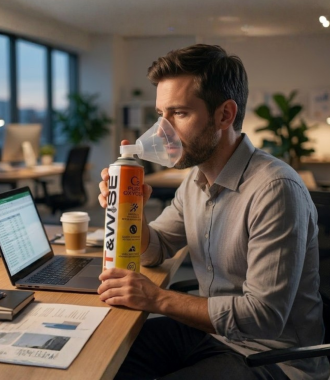
Portable oxygen offers immediate respiratory support by delivering concentrated oxygen directly to the lungs, helping restore oxygen saturation and enhance breathing efficiency during rest breaks or short pauses. Controlled inhalation supports faster mental refreshment, reduces breathing discomfort, and improves overall travel comfort without the need for complex equipment.
Long road trips commonly create stress on the body through multiple overlapping factors:
- Prolonged sitting that restricts lower limb circulation
- Dry cabin air that irritates airways and nasal passages
- Recycled ventilation reducing perceived air freshness
- Traffic-related pollution exposure in urban and highway zones
- Continuous cognitive load from long driving hours
- Altitude fluctuations on hilly and mountainous highways
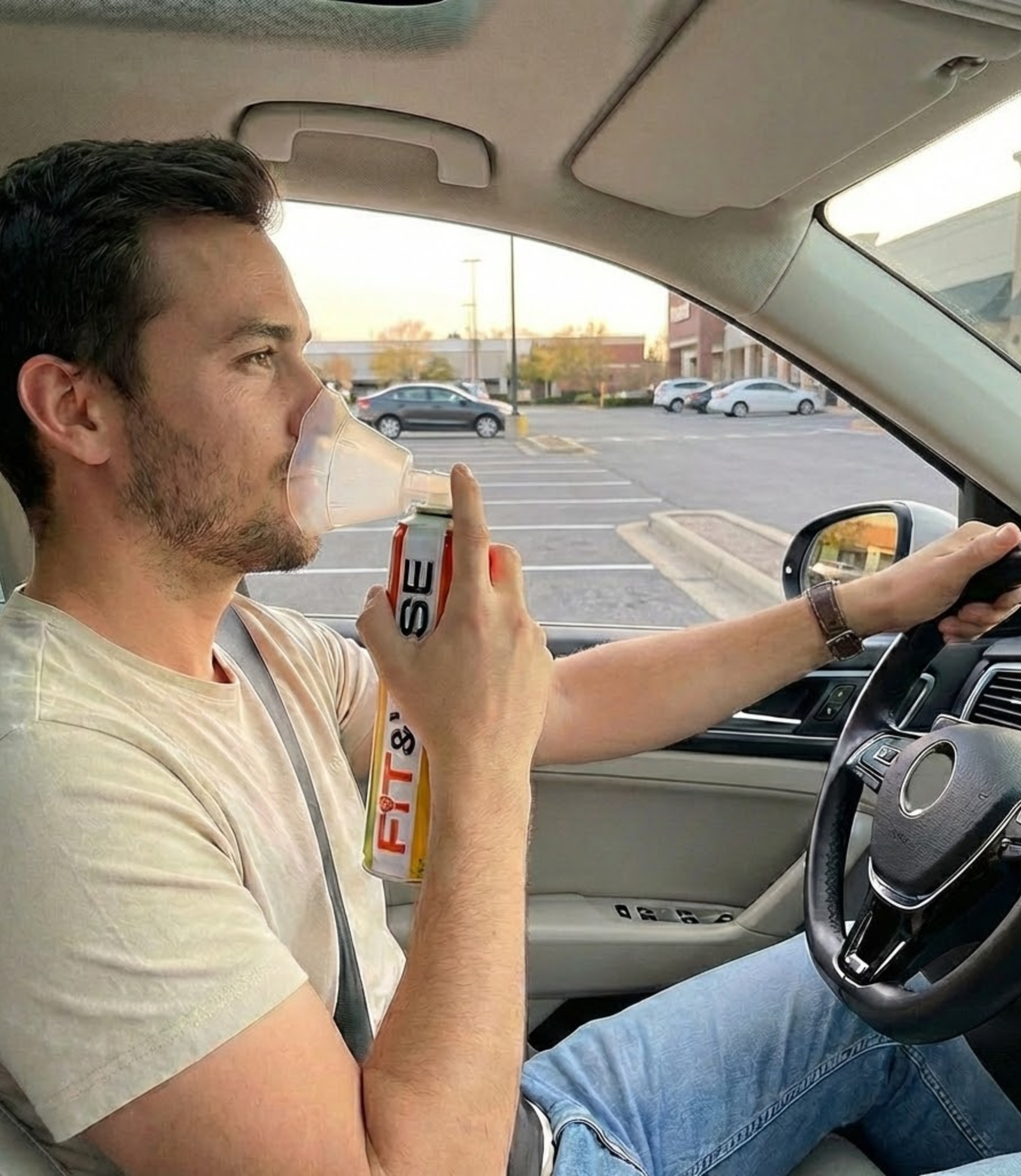
Drivers experiencing reduced alertness may benefit from short oxygen inhalations during scheduled breaks to refresh mental clarity, stabilize breathing patterns, and restore focus before resuming travel. Oxygen support can be especially valuable during early morning drives, late-night travel segments, or after passing through polluted traffic corridors.
Passengers traveling for extended hours may experience motion discomfort, breathing strain, sinus irritation, mild anxiety, or sleep-related grogginess. Oxygen inhalation supports respiratory comfort, improves oxygen delivery to the brain, and promotes a calmer breathing rhythm, helping passengers remain comfortable and energized throughout the journey.
Remote travel presents additional challenges. Many highways, rural routes, and mountain roads lack immediate access to medical services, pharmacies, or emergency care. Having portable oxygen readily available adds an extra layer of preparedness for unexpected respiratory discomfort, altitude sensitivity, allergic reactions, or environmental stress.
Travelers exploring high-altitude regions, desert landscapes, forest routes, or coastal highways may experience sudden weather shifts, pressure changes, and temperature fluctuations. These environmental changes can subtly influence oxygen saturation and breathing comfort, especially among older adults, frequent travelers, smokers, or individuals sensitive to air quality variations.
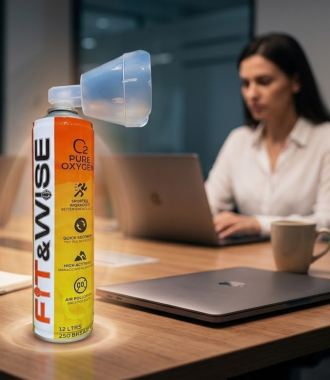
Fit&Wise Portable Oxygen Can offers lightweight portability, easy handling, and rapid accessibility, making it suitable for glove compartments, backpacks, travel kits, and emergency pouches. Its compact design allows travelers to carry respiratory support discreetly without adding bulk or complexity to travel preparation.
Oxygen supplementation during travel supports multiple functional benefits:
- Improved focus, reaction speed, and mental clarity
- Reduced fatigue during extended driving hours
- Enhanced breathing comfort in dry or polluted environments
- Faster refreshment during rest stops and travel pauses
- Improved circulation efficiency and oxygen delivery
- Increased safety awareness and driving confidence
Portable oxygen also supports post-drive recovery. After prolonged driving, mental fatigue often persists even after reaching the destination. Short oxygen inhalation sessions may help reduce lingering tiredness, support circulation recovery, and restore alertness, allowing travelers to remain active, socialize comfortably, or engage in sightseeing without extended downtime.
For travelers combining road trips with hiking, sightseeing, photography, or outdoor exploration, oxygen availability supports smoother physical transition from sedentary driving to active movement. It helps minimize breathlessness and supports muscular oxygen delivery during light exertion.
Portable oxygen integrates seamlessly into holistic travel wellness routines when combined with adequate hydration, regular stretching breaks, balanced nutrition, and sufficient rest planning. Together, these strategies maintain circulation, joint mobility, nervous system balance, and respiratory comfort throughout long journeys.
Professional drivers, logistics personnel, field engineers, healthcare workers, and business travelers often accumulate significant driving hours weekly. Consistent oxygen support during breaks may improve long-term comfort, reduce cumulative fatigue, and enhance occupational safety performance.
Families traveling with elderly members, children, or individuals with sensitivity to altitude or air quality benefit from having oxygen readily available for reassurance and comfort management.
As long-distance travel continues expanding across tourism, infrastructure development, and professional mobility sectors, respiratory preparedness becomes increasingly valuable. Environmental exposure, extended sitting, and cognitive workload place increasing demands on breathing efficiency and oxygen delivery.
Portable oxygen empowers travelers to maintain comfort, alertness, and physiological stability across extended journeys while adapting to diverse environmental conditions and travel stressors. By supporting mental clarity, respiratory comfort, and post-drive recovery, Fit&Wise Portable Oxygen Can enhances overall travel safety, convenience, and confidence for modern road travelers navigating long highways and remote destinations.