
Crowded environments such as concerts, festivals, sporting events, conferences, exhibitions, religious ceremonies, and public celebrations often generate excitement, connection, and collective energy. However, alongside this vibrancy, such settings can also create physiological conditions that challenge respiratory comfort. Dense crowds, restricted airflow, rising temperatures, prolonged noise exposure, and fluctuating air quality may leave individuals feeling breathless, fatigued, overheated, or mentally drained.
While these sensations are typically temporary, they are frequently associated with subtle shifts in oxygen circulation and increased carbon dioxide concentration in tightly packed spaces. When many people occupy a confined area, fresh air exchange can become limited, particularly indoors or in semi-enclosed venues. The body responds by increasing breathing rate and heart activity in an effort to maintain oxygen delivery to tissues — a process that can accelerate fatigue even in the absence of significant physical exertion.
Oxygen plays a foundational role in sustaining brain performance, muscular efficiency, cardiovascular function, and nervous system balance. When breathing feels restricted or shallow, cognitive sharpness may decline, reaction time may slow, and the body may begin to interpret the situation as a stress signal — even if the surrounding environment is enjoyable.
Portable oxygen offers immediate respiratory refreshment, helping restore a sense of breathing ease and physical comfort when stepping away from dense environments. Even brief inhalations can provide a noticeable sense of revitalization, supporting the body’s natural recovery mechanisms.
Why Crowded Spaces Influence Breathing
Large gatherings alter the microenvironment around the body. Heat generated by crowds, combined with reduced air movement, can create pockets of stale air. Additionally, continuous talking, cheering, and movement elevate carbon dioxide levels slightly within localized areas.
Several physiological responses may occur:
• Faster breathing patterns
• Increased perceived effort while inhaling
• Mild lightheadedness
• Earlier onset of tiredness
• Reduced mental clarity
These responses are not necessarily dangerous for healthy individuals, but they can affect comfort and stamina throughout long events.
Situations Where Crowded Spaces May Impact Breathing
• Indoor events with limited ventilation
• Long standing periods in packed venues
• High-temperature gatherings
• Pollution-heavy outdoor events
• Extended queues or restricted movement areas
• Music concerts with dense floor audiences
• Sporting arenas during peak attendance
• Festivals spanning multiple hours
• Trade shows with continuous foot traffic
• Public transport hubs during event dispersal
In such settings, short oxygen inhalations can help support oxygen saturation, allowing the body to rebalance while reducing the sensation commonly described as “air hunger.”
The Hidden Role of Air Quality in Large Events
Air quality often shifts dramatically during major gatherings. Outdoor festivals held in urban centers may expose attendees to vehicle emissions, construction dust, or seasonal pollution. Indoor arenas, despite climate control, may recycle air repeatedly when occupancy reaches maximum capacity.
When particulate matter and airborne irritants increase, the respiratory system must work harder to filter incoming air. This additional effort can contribute to throat dryness, chest heaviness, or quicker breathing.
Taking proactive steps — such as stepping into open areas, hydrating adequately, and supporting oxygen intake — helps maintain respiratory efficiency throughout the event.
Heat, Humidity, and Oxygen Demand
Temperature regulation is closely tied to oxygen usage. As the body warms, metabolic demand rises, prompting tissues to require more oxygen. Crowded environments often trap heat, and even mild dehydration can amplify fatigue.
Signs the body may be working harder than usual include:
• Feeling unusually warm despite minimal movement
• Heavy or rapid breathing
• Reduced endurance while walking or standing
• Difficulty concentrating
• Desire to sit or step outside frequently
Short oxygen breaks can provide a cooling psychological effect while helping normalize breathing rhythm.
Portable Oxygen as a Practical Wellness Tool
Preparedness is increasingly recognized as a pillar of modern wellness. Rather than reacting to discomfort after it appears, many individuals now prioritize preventive strategies that support the body in dynamic environments.
Portable oxygen represents one such proactive measure.
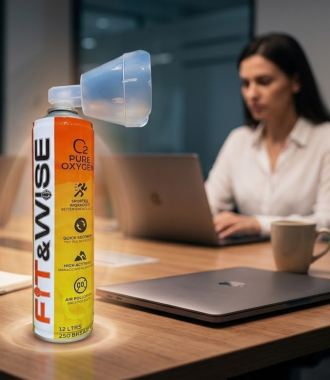
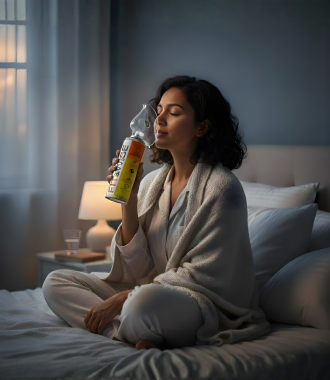
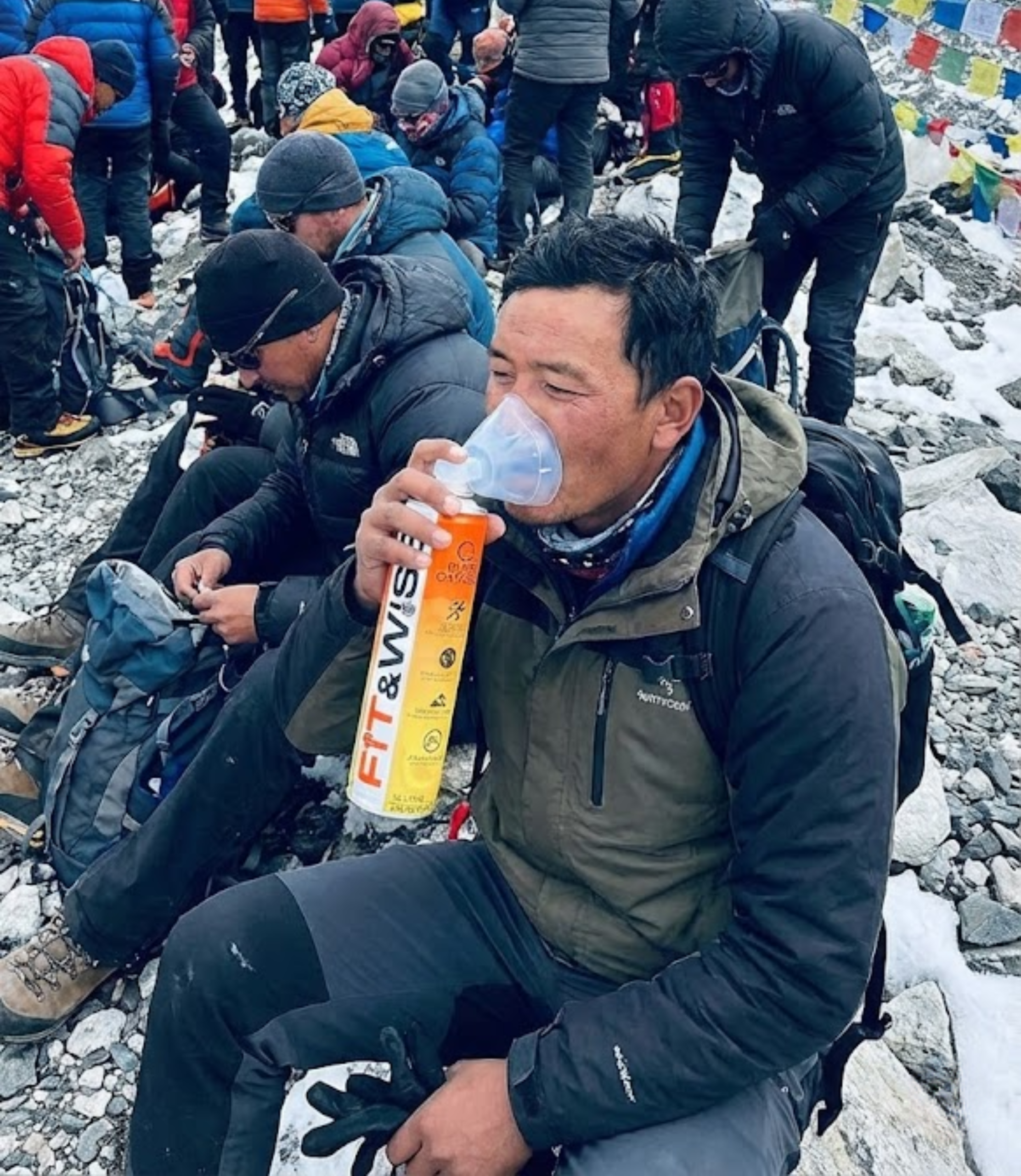
Fit&Wise Portable Oxygen Can provides a compact, travel-friendly solution for individuals attending large events. Designed for effortless portability, it fits easily into handbags, backpacks, glove compartments, or travel organizers — ensuring accessibility whenever breathing support is desired.
Its lightweight construction allows users to carry it comfortably without adding bulk, making it particularly suitable for day-long outings or multi-location events.
How Brief Oxygen Support May Help During Events
Short inhalation sessions can encourage the body to restore breathing regularity while promoting a sense of refreshment.
Event-goers may experience:
• Easier, more comfortable breathing
• Reduced fatigue during long programs
• Improved alertness and engagement
• Faster refreshment after stepping outdoors
• Greater perceived stamina
• Enhanced mental clarity
• Improved ability to remain present in stimulating environments
For many, the benefit is not only physical but experiential — supporting the ability to fully participate rather than withdrawing early due to tiredness.
Emotional Comfort in High-Density Environments
Crowded settings can sometimes trigger mild anxiety responses, particularly when movement feels restricted or exit pathways appear congested. The brain closely monitors breathing patterns, and any perceived restriction may heighten the body’s alertness response.
Stabilized breathing often encourages relaxation, signaling safety to the nervous system. A few steady oxygen-supported breaths can help individuals feel more grounded, especially before re-entering dense crowds.
This can be particularly valuable for:
• First-time concert attendees
• Individuals returning to social events after long indoor periods
• Travelers navigating unfamiliar venues
• Those sensitive to overstimulation
• Professionals attending high-energy conferences
Urban Gatherings and Respiratory Load
Modern cities continue to grow denser, and large-scale events are becoming increasingly elaborate. When crowd density combines with compromised air quality, the lungs must exert additional effort to maintain adequate oxygen transfer.
Urban factors that may intensify respiratory strain include:
• Traffic emissions
• Construction activity
• Seasonal smog
• Reduced green cover
• Warm microclimates between buildings
Taking brief oxygen pauses between activities allows the respiratory system to recover — particularly during multi-hour events, back-to-back performances, or day-long festivals.
Who May Especially Appreciate Oxygen Support?
While portable oxygen can benefit anyone seeking breathing comfort, certain groups may find it particularly reassuring:
• Older adults attending large family or public events
• Individuals sensitive to air quality fluctuations
• Those easing back into active social lifestyles
• People prone to fatigue in warm environments
• Frequent travelers navigating crowded terminals
• Event staff working extended shifts
• Parents managing children in busy venues
The goal is not medical treatment, but supportive comfort that helps individuals remain energized and engaged.
Integrating Oxygen Into Event Essentials
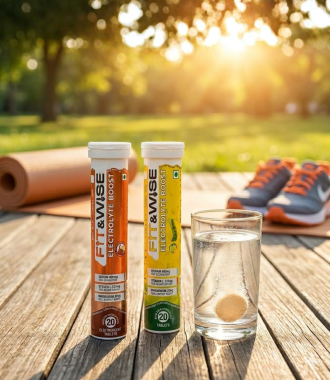
Just as attendees often pack water bottles, sunscreen, energy snacks, or electrolyte support, portable oxygen is emerging as a thoughtful addition to event preparedness kits.
Consider carrying it when planning for:
• Music festivals
• Destination weddings
• Cultural celebrations
• Marathons and spectator events
• Stadium matches
• Business expos
• Holiday markets
• Theme parks
A small step in preparation can significantly enhance overall event enjoyment.
The Value of Strategic Oxygen Breaks
Rather than waiting for noticeable fatigue, stepping aside periodically for fresh air — paired with short oxygen inhalations — allows the body to maintain equilibrium.
Helpful moments include:
• After prolonged standing
• Between performances or sessions
• Following walks through dense crowds
• When transitioning from indoors to outdoors
• During temperature spikes
These micro-recovery intervals support sustained energy throughout the day.
A Forward-Thinking Approach to Respiratory Comfort
Preparedness is no longer limited to travel safety or hydration — it increasingly encompasses respiratory awareness. As public spaces evolve and attendance numbers climb, access to immediate breathing support empowers individuals to navigate vibrant environments with confidence.
Portable oxygen represents a shift toward intentional self-care in social settings, enabling people to remain comfortable without sacrificing mobility or spontaneity.
As cities expand and shared experiences grow larger, supporting breathing ease becomes an important component of overall well-being.
By integrating Fit&Wise Portable Oxygen Can into travel or event essentials, individuals prioritize respiratory comfort while staying fully present for meaningful moments — whether cheering in a stadium, celebrating at a festival, or connecting within a crowd.