
The quality of a workout is often decided before the first movement begins. Energy levels, muscular responsiveness, endurance, and recovery are all heavily influenced by one factor many outdoor exercisers underestimate — mineral balance.
Stepping outside for a run, cycle, training session, or sports practice immediately exposes the body to variables that controlled indoor environments eliminate. Sunlight raises core temperature. Humidity slows cooling. Wind can disguise how much you are sweating. Even mild weather can quietly increase fluid loss without obvious warning signs.
Most people remember to carry water. Far fewer consider whether their hydration is actually working.
Because hydration is not just about how much you drink — it is about how effectively your body can use that fluid.
When Water Isn’t Enough
Water travels quickly through the digestive system, but without electrolytes, much of it cannot be properly retained where the body needs it most — inside cells and muscle tissue.
Electrolytes function as microscopic regulators, guiding fluid distribution, supporting nerve communication, and enabling muscles to contract smoothly. When mineral levels begin to dip, the body becomes less efficient at sustaining effort.
This is why two people can drink the same amount of water during a workout, yet one finishes strong while the other feels unusually drained.
The difference often lies in electrolyte availability.
Outdoor Training Places Unique Stress on the Body
Exercising outdoors requires constant physiological adjustment. Your body is not just powering movement — it is actively working to maintain a safe internal temperature.
To accomplish this, circulation increases and sweat production rises. While sweating is essential for cooling, it also accelerates the loss of sodium, potassium, magnesium, and other key minerals.
Over time, this depletion can influence:
• Muscular endurance
• Reaction speed
• Cardiovascular efficiency
• Temperature regulation
• Perceived effort
What makes electrolyte loss particularly challenging is how quietly it develops. You rarely feel it happening — until performance starts slipping.
Subtle Signals You Shouldn’t Ignore
Electrolyte imbalance does not always present as dramatic cramping or exhaustion. More often, the body communicates through small but noticeable changes.
You might experience:
• A workout that feels harder than usual
• Muscles that fatigue earlier
• Slight heaviness in the legs
• Difficulty maintaining pace
• Lingering tiredness afterward
• Reduced motivation for the next session
These are not always signs of inadequate training — sometimes they simply indicate that the body needs better hydration support.
The Sweat Factor Most Athletes Misjudge
Many outdoor fitness enthusiasts base hydration on thirst alone. However, thirst typically appears after the body has already entered a mild fluid deficit.
Additionally, sweat rates vary widely between individuals. Factors such as genetics, training intensity, clothing, and climate all influence how quickly minerals are lost.
For example:
- A runner training under direct sunlight may lose significantly more sodium than during a treadmill session.
- Cyclists often experience continuous airflow, which evaporates sweat quickly and masks how much fluid is being depleted.
- Boot camp participants alternating between cardio and strength intervals may face rapid electrolyte fluctuations.
Without replenishment, the body must work harder to maintain the same output.
Think of Electrolytes as Performance Stabilizers
Rather than acting as an energy spike, electrolytes help create physiological steadiness. They allow the heart, muscles, and nervous system to operate in coordination — especially important during longer or more demanding sessions.
Balanced electrolyte levels may support:
• More consistent stamina
• Smoother muscle function
• Stronger training rhythm
• Better heat tolerance
• Reduced post-exercise drain
In essence, they help the body remain predictable under stress — a trait every athlete benefits from.
Why Starting Hydrated Changes Everything
One of the most overlooked hydration mistakes is beginning a workout already behind.
After several hours of sleep, the body naturally wakes up slightly dehydrated. Jumping straight into a morning run or training session without replenishment forces the system to catch up while simultaneously handling physical exertion.
This often explains why some early workouts feel unusually sluggish.
A smarter approach is to hydrate proactively — giving the body access to fluids and minerals before sweat loss begins.
Fit&Wise Electrolyte Boost is designed to support this preparation phase by efficiently replenishing essential minerals, helping the body transition into activity with greater readiness and fluid stability.
Environmental Load Is Real — Even When It Doesn’t Feel Extreme
Outdoor conditions do not have to be harsh to influence hydration needs. Moderate warmth combined with steady activity can gradually elevate metabolic demand.
As the body works to cool itself:
- Heart rate climbs faster
- Blood flow shifts toward the skin
- Fluid requirements increase
- Mineral usage accelerates
When electrolyte intake keeps pace with these demands, workouts often feel more controlled and sustainable.
Endurance Is Often a Hydration Story
Athletes frequently attribute performance dips solely to conditioning. Yet hydration strategy is one of the strongest predictors of endurance consistency.
Those who maintain mineral balance commonly report:
• Fewer mid-workout slowdowns
• Better pacing control
• Improved comfort in warmer weather
• Stronger finishing energy
• Faster recovery between sessions
The goal is not just to push harder — but to avoid unnecessary physiological strain.
Recovery Begins During the Workout
Hydration is not only about sustaining performance; it directly influences how the body rebounds afterward.
When electrolyte losses remain unaddressed, recovery processes must work harder to restore equilibrium. This can translate into lingering fatigue or reduced readiness for the next training day.
Replenishing minerals helps the body shift out of exertion mode more smoothly, supporting muscular relaxation and systemic balance.
Who Should Pay Extra Attention to Electrolytes?
While anyone exercising outdoors can benefit from mindful hydration, certain individuals may experience an even greater advantage:
• Distance runners
• Cyclists and triathletes
• Field sport athletes
• Hikers and trekkers
• High-intensity trainers
• Individuals in warm or coastal climates
• Heavy sweaters
• Those increasing training volume
For these groups, hydration can meaningfully shape performance trajectory.
Making Electrolytes Part of the Routine — Not an Afterthought
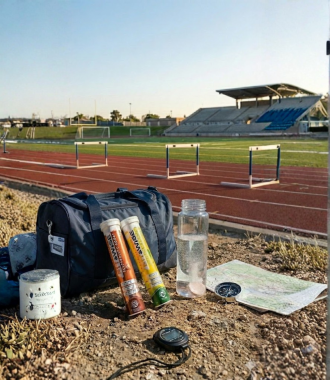
Consistency matters more than occasional correction. Keeping electrolyte tablets within easy reach — in a gym bag, hydration vest, backpack, or car — removes friction from healthy habits.
Fit&Wise Electrolyte Boost offers a practical way to support hydration wherever training happens, aligning with the growing shift toward smarter, more intentional fitness preparation.
Because modern athletes are no longer focused solely on intensity — they are prioritizing sustainability.
Training Smarter in the Outdoors
Outdoor exercise delivers benefits that extend beyond physical conditioning. Fresh air, natural terrain, and changing scenery can elevate mood, sharpen focus, and make workouts feel more engaging.
Smart hydration ensures those advantages are not overshadowed by preventable fatigue.
As awareness grows, electrolyte-supported hydration is evolving from a niche practice into a foundational element of performance strategy.
When the body receives the minerals it depends on, it operates with greater efficiency, adapts more comfortably to environmental stress, and recovers with less resistance.
For outdoor fitness enthusiasts, this translates into something simple yet powerful — the ability to show up, train well, and return ready to do it again.