
Introduction: When Fitness Effort Doesn’t Match Performance
For many individuals who lead an active lifestyle, there comes a point where effort and results stop aligning. Workouts feel heavier, stamina seems inconsistent, and recovery takes longer than expected.
This can be confusing, especially for those who are doing everything “right”—following structured routines, maintaining a balanced diet, and getting enough rest.
Yet, something still feels off.
What often goes unnoticed in such situations is not strength, nutrition, or discipline—but oxygen efficiency within the body.
Oxygen is the foundation of physical performance. Every movement, every breath, and every burst of energy depends on how effectively oxygen is delivered and utilized.
Even slight limitations in oxygen availability can have a noticeable impact on stamina, endurance, and recovery. Understanding this connection can provide a completely new perspective on performance optimization.
The Role of Oxygen in Physical Performance
Oxygen is essential for producing energy in the body. During any physical activity, muscles require energy to contract and perform work.
This energy is generated through a process called aerobic metabolism, where oxygen helps convert nutrients into usable energy.
When oxygen supply is sufficient:
- Muscles function efficiently
- Energy production remains steady
- Fatigue is delayed
However, when oxygen availability is reduced, the body is forced to rely on less efficient energy systems. This leads to quicker fatigue and reduced performance.
What Happens to Oxygen Demand During Exercise
Physical activity significantly increases the body’s demand for oxygen.
As intensity rises, muscles require more oxygen to sustain their activity. The heart pumps faster, and breathing rate increases to meet this demand.
In ideal conditions, the body adjusts smoothly. Oxygen delivery matches demand, allowing performance to remain stable.
However, in real-world conditions—especially in urban environments—this balance is not always maintained.
Factors such as pollution, poor air quality, and fatigue can reduce the efficiency of oxygen intake, creating a gap between demand and supply.
The Link Between Oxygen and Stamina
Stamina is often thought of as a measure of endurance or physical conditioning. While training plays a major role, oxygen availability is equally important.
When oxygen supply is consistent, the body can sustain activity for longer periods without fatigue. Muscles receive the energy they need, and performance remains steady.
On the other hand, when oxygen levels drop:
- Muscles tire faster
- Breathing becomes heavier
- Endurance decreases
This is why some days workouts feel significantly harder, even when the routine has not changed.
Why Urban Environments Affect Active Individuals
For individuals who train or exercise in cities, environmental factors can directly impact oxygen efficiency.
Air pollution introduces particles that can interfere with lung function. Over time, this reduces the lungs’ ability to absorb oxygen effectively.
Even indoor workouts are not always immune. Poor ventilation and recirculated air can limit oxygen availability.
This creates a situation where:
- Oxygen demand is high (due to exercise)
- Oxygen supply is compromised (due to environment)
The result is reduced performance and increased fatigue.
Oxygen and Muscle Fatigue: The Hidden Connection
Muscle fatigue is not always caused by overtraining. In many cases, it is linked to insufficient oxygen supply.
When muscles do not receive enough oxygen, they switch to anaerobic metabolism. This leads to the production of lactic acid, which contributes to fatigue and discomfort.
This is why individuals may experience:
- A burning sensation in muscles
- Early exhaustion during workouts
- Reduced ability to maintain intensity
Over time, repeated oxygen deficiency can limit overall performance improvements.
Recovery: Why Oxygen Matters After Workouts
Recovery is a critical part of any active lifestyle. After exercise, the body needs to repair muscle tissue, restore energy levels, and remove metabolic waste.
Oxygen plays a central role in this process.
It helps:
- Clear lactic acid from muscles
- Restore normal muscle function
- Support tissue repair
When oxygen levels are adequate, recovery is faster and more efficient. However, when oxygen supply is limited, recovery slows down.
This can lead to:
- Persistent soreness
- Reduced performance in the next session
- Increased risk of fatigue accumulation
Real-Life Scenarios in Active Lifestyles
The impact of oxygen levels is often seen in everyday fitness situations.
A runner may find it difficult to maintain pace on certain days. A gym-goer may struggle to complete sets that were previously manageable. Someone engaging in outdoor sports may feel unusually tired despite moderate effort.
These fluctuations are not always due to lack of fitness. In many cases, they are linked to variations in oxygen availability and utilization.
Signs That Oxygen Levels May Be Affecting Performance
The body provides subtle signals when oxygen efficiency is not optimal.
Some common indicators include:
- Feeling out of breath quickly during workouts
- Needing longer rest periods between sets
- Experiencing unusual fatigue after moderate activity
- Slower recovery times
These signs are often overlooked or attributed to other factors, but they can indicate an underlying imbalance.
How Fit&Wise Portable Oxygen Can Supports Active Individuals
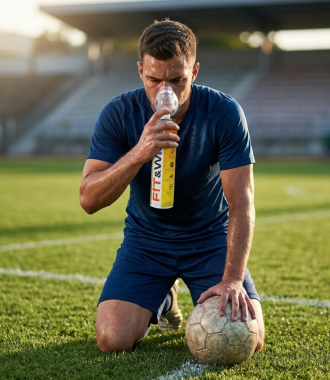
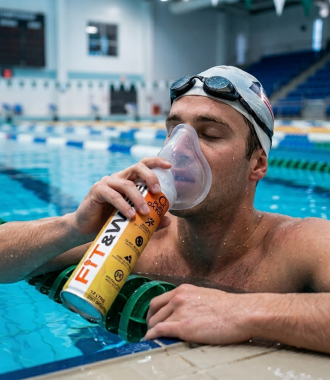
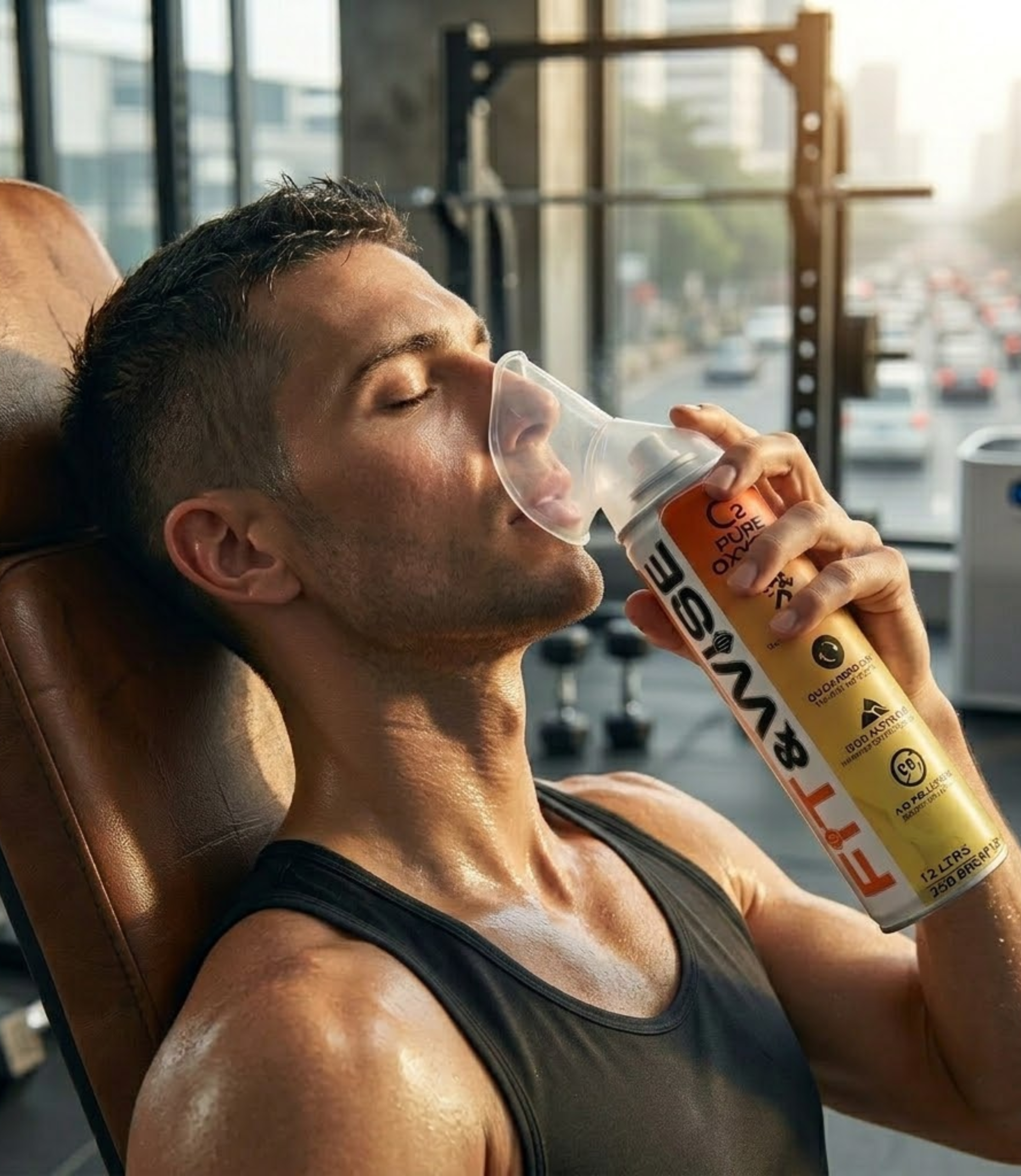
Fit&Wise Portable Oxygen Can offers a convenient way to support oxygen intake, especially in situations where natural oxygen availability may be limited.
It provides a quick and controlled supply of oxygen that can help the body recover from temporary deficiencies.
For active individuals, this can be particularly useful:
- Before workouts to prepare the body
- After intense sessions to support recovery
- During breaks to reduce fatigue
By improving oxygen availability, it helps maintain energy levels and supports better overall performance.
Integrating Oxygen Support Into a Fitness Routine
Using oxygen support does not require major changes to a routine. It can be incorporated strategically based on individual needs.
Some practical approaches include:
- Using it before high-intensity workouts to enhance readiness
- Taking short oxygen support breaks during long sessions
- Using it post-workout to aid recovery
This targeted approach ensures that the body receives support when it needs it most.
Additional Ways to Improve Oxygen Efficiency
While external support can be helpful, certain habits can also improve how the body utilizes oxygen.
Maintaining proper breathing techniques during workouts can significantly enhance oxygen intake. Deep, controlled breathing allows the lungs to expand fully and improves oxygen exchange.
Posture also plays a role. An upright posture allows better lung expansion, while slouching can restrict breathing.
Regular cardiovascular training can improve the body’s ability to utilize oxygen efficiently over time.
Long-Term Benefits of Maintaining Optimal Oxygen Levels
When oxygen levels are consistently maintained, the benefits extend beyond immediate performance.
Over time, individuals may experience:
- Improved endurance and stamina
- Faster recovery cycles
- Better overall energy levels
- Increased consistency in performance
The body becomes more efficient in handling physical stress, allowing for sustainable progress.
Conclusion: Performance Begins With Oxygen
An active lifestyle is built on effort, discipline, and consistency. However, without proper oxygen support, even the best routines can fall short.
Oxygen is not just a background element—it is a core component of energy, endurance, and recovery.
By understanding its role and taking steps to maintain optimal levels, individuals can unlock better performance and a more sustainable fitness journey.
Incorporating solutions like Fit&Wise Portable Oxygen Can provides an added layer of support, helping the body perform and recover more efficiently in real-world conditions.
Ultimately, true performance is not just about how hard one trains, but how well the body is supported from within.