
Introduction: When Travel Leaves You More Tired Than Refreshed
Travel is often imagined as refreshing, exciting, and energizing. Whether it is a short daily commute, a business trip, or a long-awaited vacation, people expect to feel stimulated by the change of environment. However, the reality is often very different.
Many individuals experience an unusual kind of fatigue while traveling. It is not the typical tiredness that comes from physical exertion, but a deeper exhaustion that affects both the body and the mind. Even after sitting for hours during a journey, people often step out feeling drained, slightly breathless, and mentally foggy.
This becomes even more noticeable during frequent travel routines such as daily commuting in traffic-heavy cities or long-distance journeys involving flights and crowded transport systems.
Most people attribute this fatigue to poor sleep, long hours, or general inconvenience. While these factors do contribute, there is a more fundamental physiological reason that is often ignored—reduced oxygen efficiency.
Travel environments, especially in urban conditions, can significantly affect the amount and quality of oxygen the body receives. Over time, this can lead to fatigue, discomfort, and reduced overall energy levels.
Understanding this connection can completely change how one approaches travel and recovery.
The Science of Oxygen and Energy Production
To understand why travel can feel exhausting, it is important to first understand the role of oxygen in the body.
Every cell in the body relies on oxygen to produce energy. This process, known as cellular respiration, takes place inside the mitochondria, where oxygen helps convert nutrients into usable energy.
When oxygen supply is sufficient, the body functions efficiently. Muscles perform without strain, the brain remains alert, and energy levels stay stable.
However, when oxygen availability is reduced, even slightly, the entire system is affected.
The body begins to produce less energy, leading to:
- Fatigue and low stamina
- Reduced mental clarity
- Slower physical response
This is not always dramatic but builds gradually, especially in environments where oxygen quality is compromised.
How Travel Environments Affect Oxygen Intake
Travel exposes the body to a range of conditions that are not always ideal for oxygen intake.
Unlike controlled environments, travel settings are often crowded, enclosed, and poorly ventilated. This directly impacts air quality and oxygen availability.
Some common travel situations include:
- Sitting in traffic for extended periods surrounded by vehicle emissions
- Traveling in crowded trains or buses with limited airflow
- Spending long hours in air-conditioned spaces with recirculated air
- Being exposed to dust, smoke, and pollutants during outdoor transit
In such conditions, the body continues to breathe, but the quality of air entering the lungs is compromised.
Over time, this leads to reduced oxygen absorption, which affects energy production and overall comfort.
Why Breathlessness Occurs Even Without Physical Activity
One of the most confusing aspects of travel fatigue is the feeling of breathlessness without significant physical exertion.
This happens because the body is trying to compensate for reduced oxygen levels.
When oxygen intake decreases, the body responds by increasing breathing rate in an attempt to take in more oxygen. However, if the air quality is poor, this effort does not fully compensate.
As a result, individuals may experience:
- A slight heaviness in breathing
- Discomfort in crowded spaces
- A feeling of not getting enough fresh air
This sensation is often subtle but becomes more noticeable over time.
The Role of Pollution in Travel Fatigue
In urban environments, pollution plays a major role in reducing oxygen efficiency.
Air pollutants such as particulate matter, carbon monoxide, and nitrogen dioxide can interfere with the lungs’ ability to absorb oxygen effectively.
When inhaled, these particles can:
- Irritate the respiratory system
- Reduce lung efficiency
- Limit oxygen transfer into the bloodstream
This means that even though a person is breathing regularly, the body is not receiving the full benefit of that breath.
Over time, repeated exposure during travel can lead to persistent fatigue and reduced stamina.
The Impact of Long-Distance Travel and Flights
Long-distance travel introduces additional challenges, especially when it involves flights.
At higher altitudes, oxygen levels in the air are naturally lower. Although aircraft cabins are pressurized, oxygen availability is still slightly reduced compared to ground level.
For most people, this difference is manageable for short durations. However, during long flights, it can contribute to fatigue, dehydration, and discomfort.
Additionally, prolonged sitting reduces blood circulation, which further affects oxygen delivery to different parts of the body.
This combination of factors explains why people often feel unusually tired after flights, even when they have not been physically active.
Real-Life Travel Scenarios Where Oxygen Plays a Role
The effects of reduced oxygen intake during travel are not limited to extreme situations. They are visible in everyday life.
Consider a professional who spends hours commuting through heavy traffic every day. Despite not engaging in physical activity, they often feel exhausted by the time they reach work.
Similarly, a traveler on a long train journey may experience headaches, fatigue, or restlessness, even after resting throughout the trip.
Frequent flyers often report feeling drained after landing, regardless of how comfortable the journey was.
These are all examples of how environmental factors during travel can affect oxygen levels and, in turn, energy levels.
Signs That Your Body Needs Better Oxygen Support During Travel
The body often provides subtle signals when oxygen levels are not optimal.
Some common signs include:
- Feeling unusually tired after short journeys
- Mild breathlessness in crowded or enclosed spaces
- Frequent headaches during or after travel
- Difficulty staying alert during long commutes
- A general sense of discomfort without a clear cause
These symptoms may not seem serious individually, but together they indicate that the body is under stress.
Why Traditional Solutions Are Not Always Enough
Most people try to manage travel fatigue through common approaches such as drinking coffee, resting, or listening to music.
While these methods may provide temporary relief, they do not address the underlying issue of oxygen deficiency.
In some cases, they may even mask the problem, allowing it to persist over time.
To truly manage travel fatigue, it is important to support the body at a physiological level.
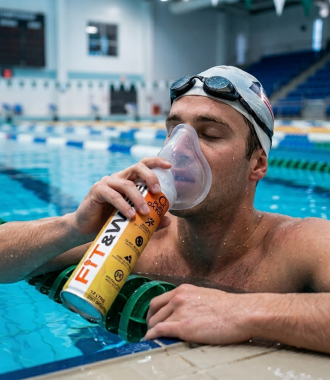
How Fit&Wise Portable Oxygen Can Helps During Travel
Fit&Wise Portable Oxygen Can offers a practical way to support oxygen intake during travel.
It provides a controlled supply of oxygen that can help the body recover from temporary drops in oxygen availability.
This is particularly useful in situations where air quality is poor or ventilation is limited.
By improving oxygen availability, it helps:
- Reduce feelings of fatigue
- Support better breathing comfort
- Improve mental alertness
- Aid faster recovery after travel
Practical Ways to Use It While Traveling
The convenience of portability makes it easy to integrate into travel routines.
It can be used in multiple scenarios, such as:
- After long commutes to regain energy
- During breaks in long journeys
- After exposure to polluted environments
- When experiencing breathlessness or fatigue
Using it strategically can make travel more comfortable and less exhausting.
Additional Tips to Improve Oxygen Efficiency While Traveling
While oxygen support can be helpful, combining it with good habits can further improve results.
Some practical tips include:
- Taking short breaks to step into fresh air whenever possible
- Maintaining an upright posture to support better lung expansion
- Staying hydrated to support circulation
- Practicing slow, deep breathing during long journeys
These small actions can make a noticeable difference over time.
Long-Term Impact of Ignoring Travel-Related Oxygen Deficiency
Repeated exposure to low-oxygen environments during travel can have cumulative effects.
Over time, individuals may experience:
- Chronic fatigue
- Reduced productivity
- Lower physical stamina
- Increased susceptibility to stress
Addressing this early can help prevent long-term discomfort and improve overall quality of life.
Conclusion: Travel Better by Supporting Your Oxygen Needs
Travel is an unavoidable part of modern life, especially in fast-paced urban environments. While it brings opportunities and experiences, it also places unique demands on the body.
Understanding the role of oxygen in maintaining energy and comfort can help individuals approach travel more effectively.
By recognizing the signs of reduced oxygen efficiency and taking proactive steps—including the use of solutions like Fit&Wise Portable Oxygen Can—travel can become less exhausting and more manageable.
Supporting the body at a fundamental level ensures that energy, focus, and well-being are maintained, no matter where the journey leads.