
Introduction: The Hidden Challenge Behind Every Lap
Swimming is often seen as a smooth and rhythmic activity, but in reality, it is one of the most physically demanding forms of exercise. Unlike most workouts, swimmers must coordinate breathing with movement, often holding their breath while maintaining performance.
This constant cycle of exertion and controlled breathing puts unique stress on the body. Even experienced swimmers feel fatigue building up after a few intense laps.
While technique and stamina play a major role, one critical factor often overlooked is oxygen recovery—how quickly the body restores its oxygen levels between sets.
Why Swimming Demands More Oxygen Than You Think
During swimming, the body works harder to maintain energy because breathing is restricted and timed.
This leads to:
- Short bursts of oxygen intake instead of continuous breathing
- Increased demand for oxygen by muscles
- Faster buildup of fatigue
Unlike running or cycling, where breathing can adjust naturally, swimmers must wait for specific moments to inhale. This creates a temporary oxygen deficit, especially during intense sessions.
Over time, this affects endurance, speed, and overall performance in the water.
What Happens When Oxygen Levels Drop
When the body doesn’t receive enough oxygen during exercise, it starts to rely more on anaerobic energy systems. This leads to quicker muscle fatigue and slower recovery.
Swimmers may notice:
- Heaviness in muscles after a few laps
- Shortness of breath during rest intervals
- Reduced performance in later sets
- Longer recovery time between rounds
Even if technique remains strong, the body may struggle to keep up due to insufficient oxygen replenishment.
The Importance of Recovery Between Sets
In swimming, recovery is just as important as performance.
Between laps or sets, the body needs to:
- Restore oxygen levels
- Clear out metabolic waste
- Reset breathing rhythm
- Prepare muscles for the next effort
If recovery is incomplete, performance drops in subsequent rounds. This is why swimmers often feel strong at the beginning of a session but gradually lose efficiency.
Faster recovery means better consistency, improved stamina, and more effective training.
How Oxygen Support Can Improve Recovery
Supplemental oxygen can play a supportive role in helping the body recover more efficiently between swimming intervals.
Portable oxygen helps by:
- Delivering immediate oxygen during rest periods
- Supporting quicker recovery after intense laps
- Helping normalize breathing faster
- Reducing the feeling of breathlessness
This can be especially useful during high-intensity training sessions where recovery time is limited.
It is not a replacement for fitness or training but acts as an additional support to optimize recovery.
How Fit&Wise Portable Oxygen Can Fits Into a Swimmer’s Routine
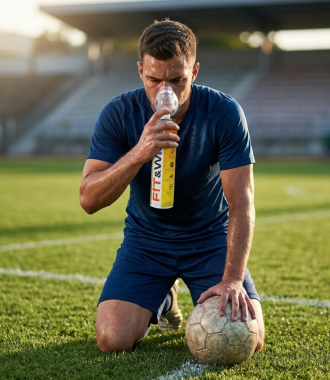
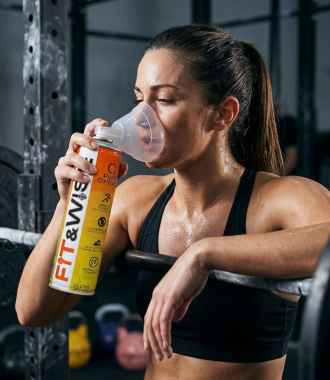
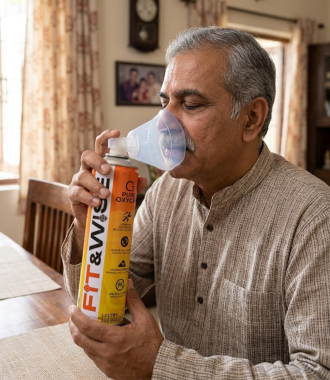
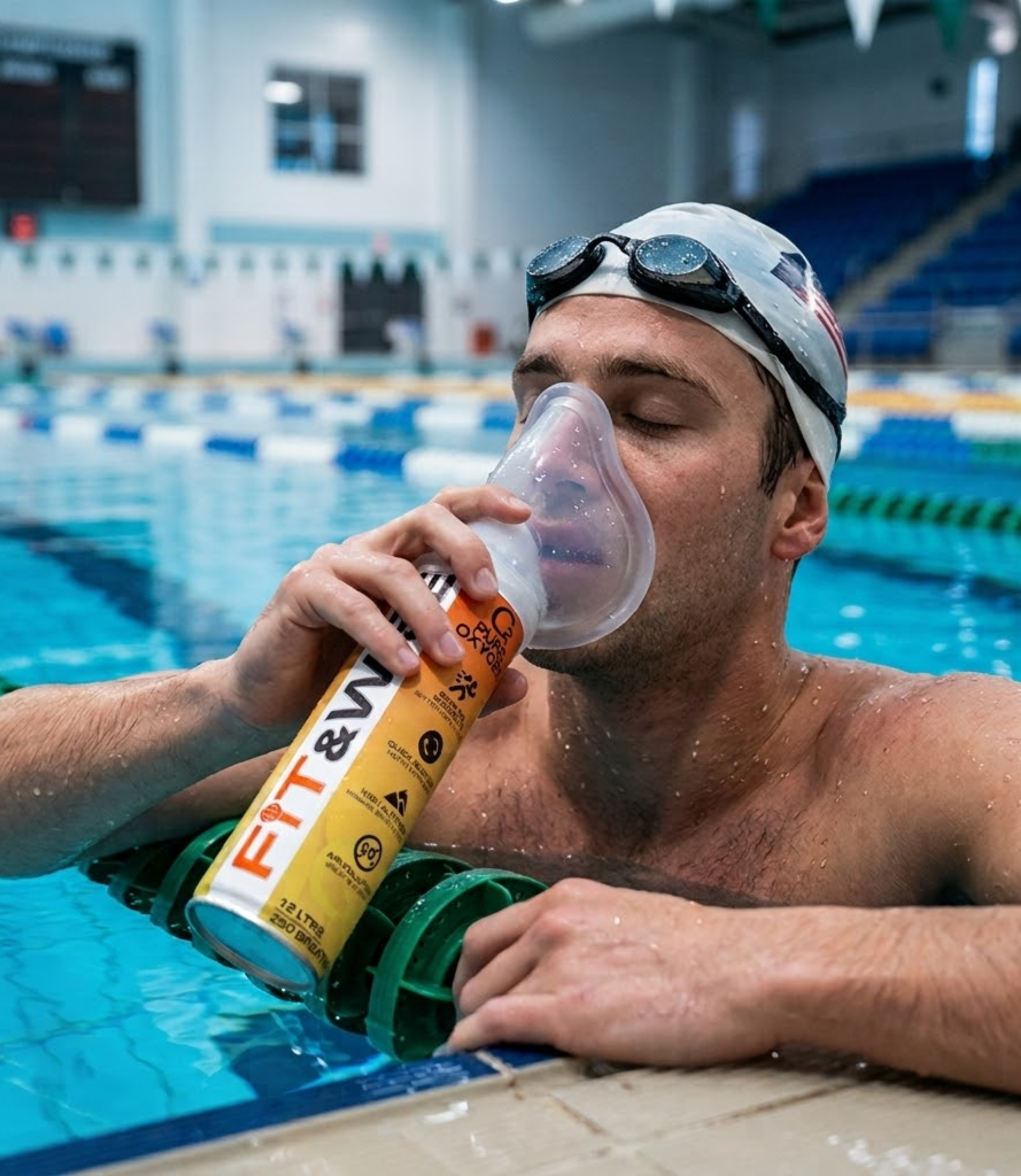
Fit&Wise Portable Oxygen Can is designed for convenience and quick use, making it suitable for athletes who need immediate support.
For swimmers, it can be used:
- Between sets during training sessions
- After completing intense laps
- Post-workout to support recovery
- During competitions or long swim routines
Its compact design makes it easy to carry in a gym or swim bag, ensuring oxygen support is always within reach.
With controlled oxygen delivery, it helps the body recover without interrupting the flow of training.
Situations Where Swimmers Benefit the Most
Not every session requires additional oxygen support, but certain conditions increase its importance.
High-intensity interval training, endurance sessions, and competitive practice can significantly increase oxygen demand. Similarly, swimming in humid or poorly ventilated indoor pools may affect breathing comfort.
Even beginners who are still adapting to breathing techniques may experience quicker fatigue.
In such cases, having access to portable oxygen can help maintain consistency and reduce recovery time.
Supporting Overall Performance and Endurance
Better recovery directly translates into better performance.
When the body restores oxygen efficiently, swimmers can:
- Maintain speed across multiple laps
- Reduce fatigue buildup
- Improve training output
- Enhance overall stamina
This creates a positive cycle where improved recovery leads to stronger sessions and better long-term progress.
Smart Recovery Tips for Swimmers
Along with oxygen support, swimmers can improve recovery by focusing on a few key habits.
Proper breathing techniques during laps, staying hydrated, and maintaining a balanced diet all contribute to better oxygen utilization.
Adequate rest between sessions and listening to the body’s signals also play a crucial role.
Combining these practices with oxygen support can significantly improve overall performance and comfort in the water.
Conclusion: Recovery Is Where Performance Is Built
Swimming performance is not just about how fast you swim—it is about how well you recover.
Oxygen plays a central role in this process, influencing energy levels, muscle function, and endurance.
By supporting the body’s oxygen needs during and after training, swimmers can push their limits while maintaining consistency.
Fit&Wise Portable Oxygen Can offers a practical way to support faster recovery, helping swimmers stay ready for every lap.
Ready to Improve Your Recovery?
Support your performance and recover smarter after every swim session.
Fit&Wise Portable Oxygen Can is available on Amazon India.
Get yours here: Fit&Wise Portable Oxygen Can on Amazon India