
Introduction: The Silent Challenge of Climbing
Rock climbing is a unique sport that combines physical strength, endurance, balance, and mental focus. Unlike many high-intensity sports that involve constant movement, climbing often requires sustained effort in controlled positions.
This creates a different kind of challenge for the body.
Climbers must maintain muscle tension, control their breathing, and make precise movements, all while managing fatigue. One of the key factors influencing performance in this environment is oxygen efficiency.
As climbs become more demanding, the body’s ability to manage and recover oxygen becomes increasingly important.
Why Rock Climbing Increases Oxygen Demand
Climbing places continuous stress on multiple muscle groups, especially the arms, shoulders, and core. Unlike short bursts of activity, this stress is sustained over longer periods.
This means the body requires a steady and efficient oxygen supply.
At the same time, climbers often hold positions that restrict natural breathing patterns. Tight grips, extended reaches, and body tension can make breathing less efficient, further increasing the demand for oxygen.
Over time, this combination leads to fatigue that can affect both strength and control.
What Happens When Oxygen Levels Drop While Climbing
When oxygen supply becomes insufficient, the effects are immediately noticeable. Muscles begin to fatigue more quickly, and grip strength starts to decline.
Climbers may experience shaking in their arms or legs, which makes maintaining balance more difficult.
Focus is also affected. Decision-making becomes slower, and the ability to plan the next move may be compromised. In a sport where precision is critical, even small lapses can impact performance.
The Importance of Recovery Between Climbs
Unlike continuous sports, climbing allows for recovery between attempts. These rest periods are essential for restoring strength and preparing for the next route.
During recovery, the body works to replenish oxygen levels, relax muscles, and stabilize breathing.
However, the effectiveness of this recovery determines how well a climber performs in subsequent attempts. Faster recovery allows for more consistent performance across multiple climbs.
How Oxygen Support Can Help Climbers
Supplemental oxygen can support the recovery process by helping the body normalize breathing more quickly after a climb.
This can reduce the feeling of fatigue and help restore energy levels between attempts.
For climbers who engage in long sessions or multiple routes, this support can make a noticeable difference in how they feel and perform over time.
It becomes particularly useful in physically demanding environments where recovery needs to be efficient.
How Fit&Wise Portable Oxygen Fits Into Climbing Sessions
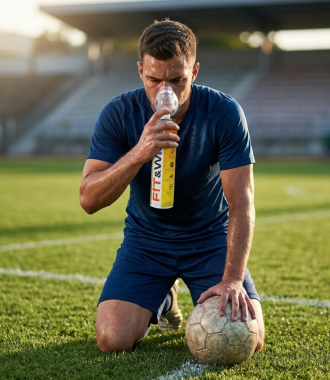
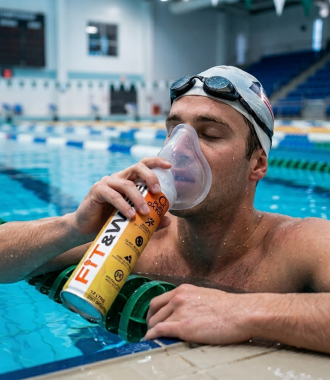
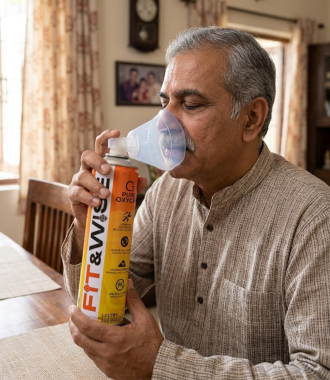
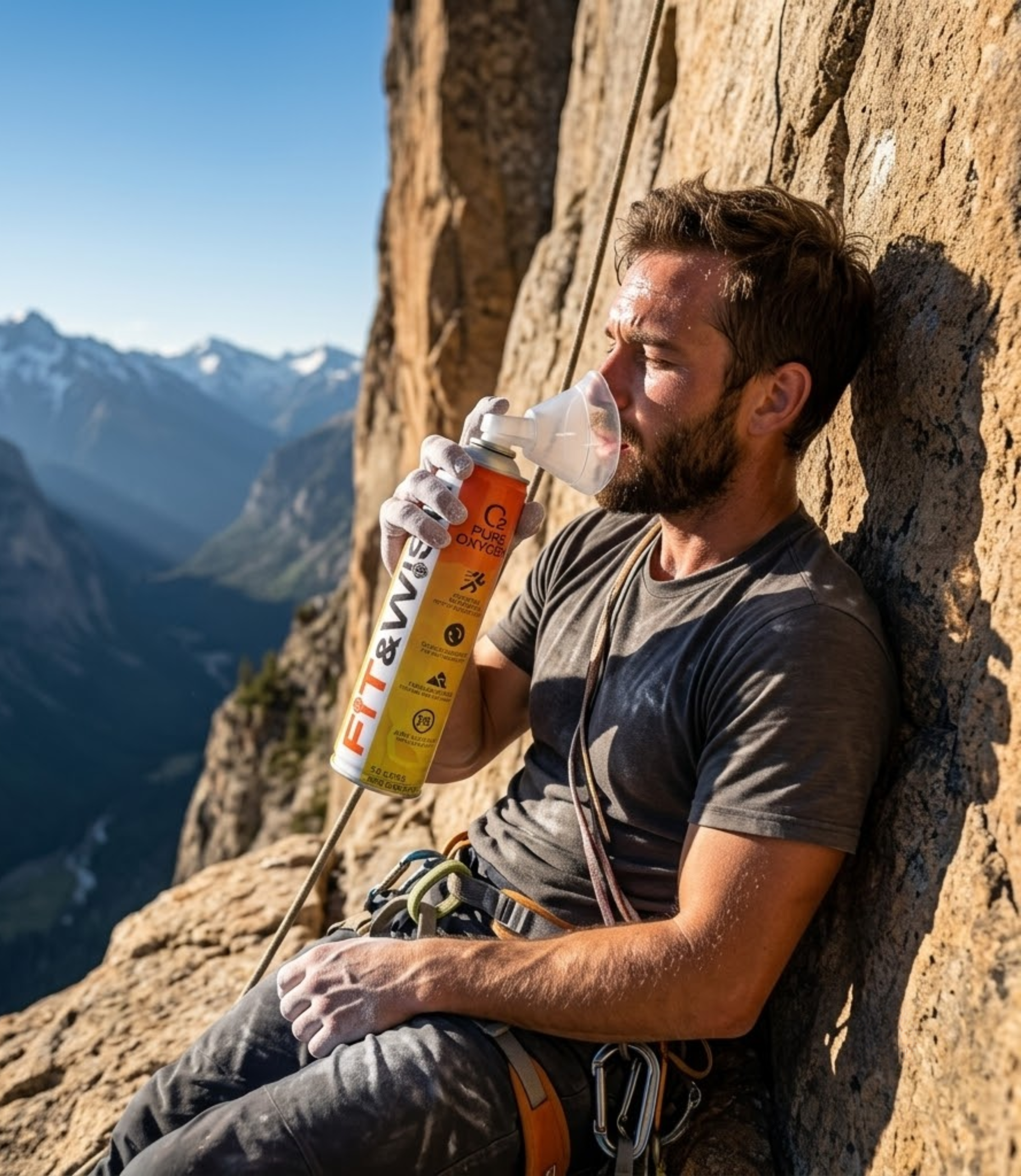
Fit&Wise Portable Oxygen Can can be easily integrated into climbing routines without adding complexity.
Climbers can use it during rest intervals, between attempts, or after completing challenging routes. Its compact design makes it easy to carry along with other gear, whether climbing indoors or outdoors.
Because it is quick to use, it allows climbers to focus on recovery without interrupting their session.
When Oxygen Support Becomes Most Useful
Certain climbing conditions place higher demands on the body. Long sessions, difficult routes, and multi-day climbing trips can all increase fatigue levels.
High-altitude climbing adds another layer of challenge, as oxygen availability naturally decreases with elevation.
In these situations, efficient recovery becomes essential not only for performance but also for maintaining control and safety.
The Link Between Oxygen and Climbing Performance
Oxygen efficiency directly impacts endurance and muscle control. When the body recovers faster, climbers can maintain grip strength for longer and execute movements more effectively.
Improved recovery also supports better focus, allowing climbers to stay mentally sharp and make precise decisions.
Over time, this contributes to more consistent and confident climbing.
Smart Recovery Tips for Climbers
Good recovery habits play a major role in climbing performance. Controlled breathing during climbs helps maintain oxygen flow and reduce unnecessary fatigue.
Taking sufficient rest between attempts allows the body to reset properly. Hydration and nutrition further support energy levels and recovery.
When combined with effective recovery strategies, these habits can significantly improve performance.
Conclusion: Climb Stronger, Recover Smarter
Rock climbing is as much about recovery as it is about strength and technique. Managing fatigue and maintaining control are essential for both performance and safety.
Efficient oxygen recovery helps climbers push their limits while staying consistent and focused.
Fit&Wise Portable Oxygen Can provides a practical solution to support recovery during demanding climbing sessions.
Ready to Elevate Your Climbing Performance?
Support your recovery and stay consistent on every climb.
Get yours here: Fit&Wise Portable Oxygen Can on Amazon India