
Introduction: The Hidden Impact of Indoor Air
Air-conditioned environments are a major part of modern life. Offices, malls, cars, and even homes rely heavily on controlled indoor air for comfort.
While these environments provide relief from heat and humidity, they also come with certain unnoticed effects.
Many individuals experience subtle discomfort after spending long hours in such spaces. This may include dryness, slight breathlessness, fatigue, or a general feeling of unease.
These symptoms are often ignored because they develop gradually and are not immediately severe.
However, prolonged exposure to artificial indoor air can influence how the body breathes and functions.
Understanding this impact can help individuals manage their comfort more effectively.
What Makes Air-Conditioned Air Different
Air-conditioned air is significantly different from natural outdoor air. It is recirculated, temperature-controlled, and often lower in humidity. While this creates a comfortable environment, it also changes the quality of the air being inhaled.
In most cases, there is reduced fresh air circulation, and the same indoor air keeps getting recirculated repeatedly. Along with this, humidity levels drop, making the air feel dry over time. Another important factor is the limited natural oxygen replenishment, which can subtly affect how fresh the air feels.
Together, these differences can influence how easily the body adapts to such environments.
How It Affects Breathing
Breathing in air-conditioned environments can start to feel slightly different, especially after extended hours.
The reduced humidity often causes dryness in the nose and throat, making breathing feel less comfortable. Over time, individuals may become more aware of their breathing, occasionally feeling the need to take deeper breaths to feel satisfied.
In some cases, there may also be a mild sense of difficulty in breathing comfortably, even though there is no serious issue. These effects are usually subtle but become more noticeable with prolonged exposure.
The Link Between Indoor Air and Fatigue
Many people experience unusual tiredness after spending long hours indoors, particularly in air-conditioned spaces.
This is not always just due to workload or routine. When fresh air circulation is limited, oxygen flow may not feel as optimal as it does outdoors. As a result, the body may not function at peak efficiency.
This can lead to a pattern where individuals feel tired in the middle of the day, struggle to maintain concentration, and notice a drop in productivity. Along with this, there is often a general feeling of heaviness that is difficult to explain but consistently present.
Why Comfort Levels Drop Over Time
Air-conditioned environments usually feel very comfortable at first. However, as time passes, this comfort can gradually reduce.
This happens because the air lacks natural freshness, and the body remains in a closed environment for extended periods. Breathing patterns may also change slightly, becoming more shallow or controlled without conscious awareness.
Over time, these small changes combine to create a noticeable drop in overall comfort, even though the environment still appears physically pleasant.
Common Real-Life Scenarios
The effects of air-conditioned environments can be seen clearly in everyday situations.
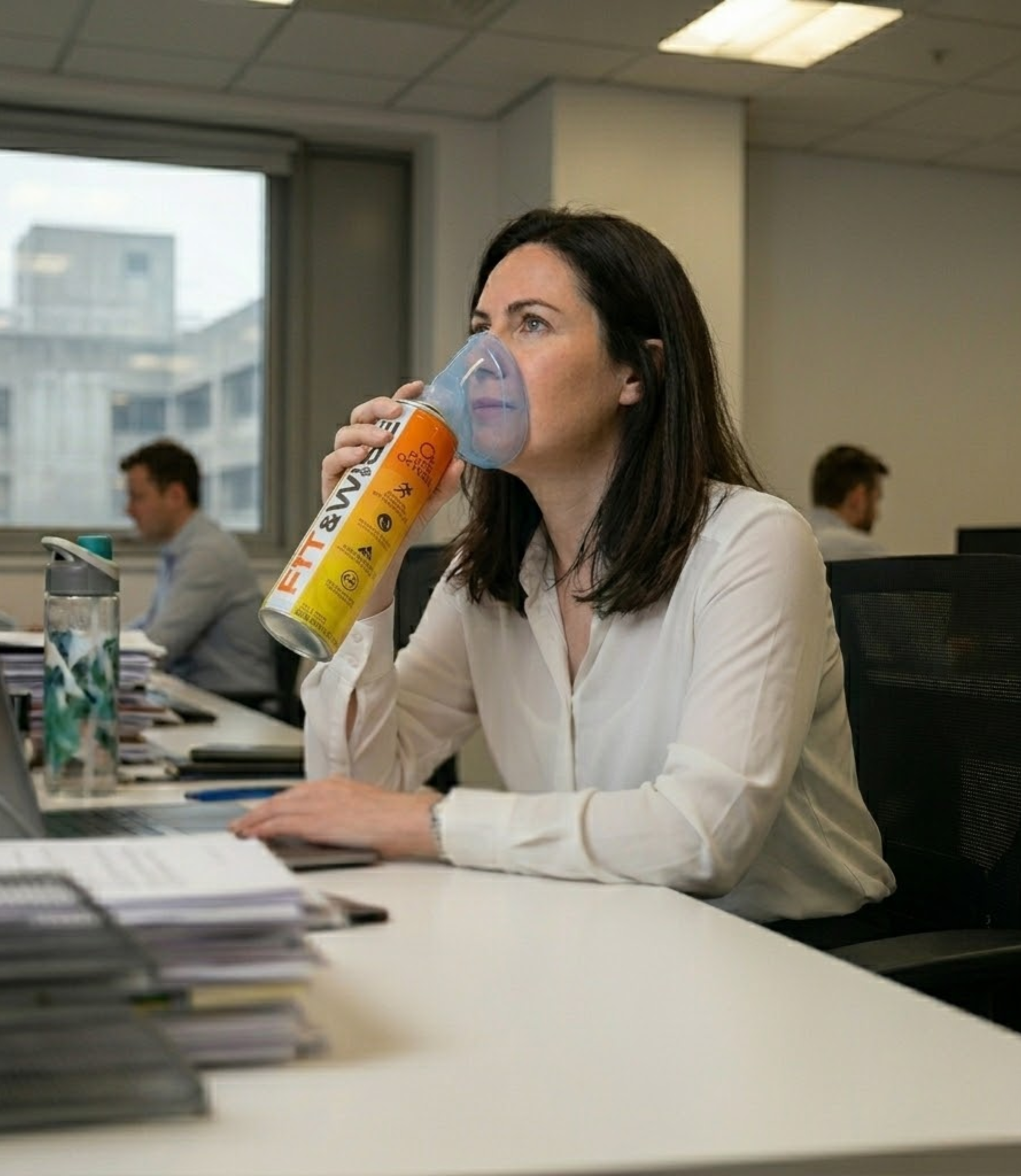
Office workers, for example, often feel drained by the end of the day despite minimal physical activity. Individuals attending long meetings may experience dryness or slight discomfort without understanding the reason.
Similarly, travelers on long flights or car journeys frequently feel uneasy or fatigued after hours in enclosed air-conditioned spaces. Even shoppers spending extended time in malls may notice a drop in energy levels.
These are common experiences, but they are rarely connected to indoor air quality.
How Fit&Wise Portable Oxygen Can Helps in Indoor Environments
In environments where fresh air is limited, having access to additional oxygen can significantly improve comfort.
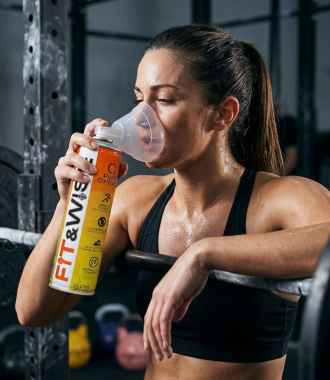
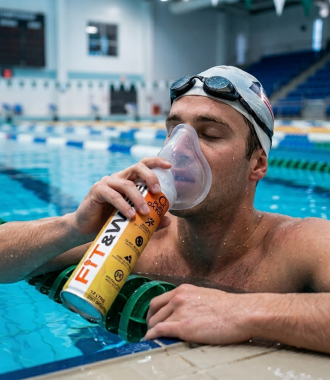
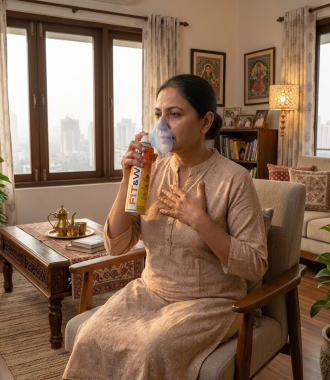
The Fit&Wise Portable Oxygen Can provides a quick and convenient way to support breathing in such situations. By improving oxygen availability, it helps reduce the discomfort caused by stale or recirculated air.
Regular use in such conditions can support energy levels, make breathing feel more natural, and enhance overall comfort during long indoor hours.
Ideal Situations for Use
The Fit&Wise Portable Oxygen Can is suitable for a variety of indoor scenarios where air circulation is limited.
It can be especially helpful in:
- Offices with long working hours
- Conference rooms and extended meetings
- Shopping malls and cinemas
- Long-distance travel in cars or flights
- Any enclosed space with minimal ventilation
Its compact and portable design makes it easy to carry and use whenever needed.
Simple Ways to Improve Indoor Air Experience
Along with using oxygen support, certain daily habits can help improve comfort in air-conditioned environments.
Taking short breaks to step outside and get fresh air can make a noticeable difference. Staying well hydrated helps reduce dryness caused by low humidity. Where possible, improving ventilation or allowing some fresh air circulation can also help.
In addition, practicing relaxed and deep breathing techniques can support better oxygen intake. Avoiding continuous long hours without breaks is another simple but effective step.
Together, these habits can help maintain a better balance between comfort and freshness.
Long-Term Considerations
Spending excessive time in enclosed, air-conditioned environments without proper balance can gradually affect overall well-being.
Over time, individuals may start experiencing persistent fatigue, reduced breathing comfort, and increased sensitivity to indoor spaces. Energy levels may also remain consistently lower than usual.
These effects develop slowly, which is why they are often overlooked. However, addressing them early can help maintain better daily comfort and performance.
Conclusion: Balancing Comfort with Freshness
Air-conditioned environments are essential for comfort, especially in urban lifestyles. However, their impact on breathing and energy levels should not be ignored.
Maintaining a balance between convenience and access to fresh air is important for overall well-being.
The Fit&Wise Portable Oxygen Can provides a practical solution for such situations, helping support oxygen intake and maintain comfort even in enclosed environments.
With the right awareness, simple lifestyle adjustments, and reliable support, individuals can stay refreshed, comfortable, and productive throughout the day.