
Introduction: The Real Challenge of Long-Distance Running
Marathon running is often seen as the ultimate test of endurance. Covering long distances requires not just physical strength but also mental resilience and disciplined pacing. However, one of the most important factors behind sustained performance is how efficiently the body manages oxygen over extended periods.
Unlike short bursts of activity, marathon running places continuous demand on the cardiovascular system. The body must consistently deliver oxygen to muscles for hours, making oxygen efficiency a key factor in performance and recovery.
Even experienced runners can struggle when oxygen demand exceeds supply, especially during the later stages of a race or intense training sessions.
Why Oxygen Plays a Central Role in Endurance
During a marathon, the body relies heavily on aerobic energy systems. This means oxygen is constantly required to produce the energy needed for movement.
As the run progresses, fatigue begins to build. Muscles become less efficient, breathing becomes heavier, and maintaining pace becomes more challenging. These effects are directly linked to how well the body is able to supply and utilize oxygen.
When oxygen delivery is efficient, runners can maintain a steady pace for longer durations. When it is not, performance begins to decline gradually.
What Happens When Fatigue Sets In
Fatigue during long-distance running does not happen all at once. It builds slowly and affects multiple aspects of performance.
Runners may first notice a drop in pace or increased effort for the same speed. Over time, muscle soreness increases, coordination decreases, and breathing becomes more labored.
This is often referred to as “hitting the wall,” where energy levels drop significantly and continuing becomes much more difficult. Oxygen imbalance plays a major role in this phase.
The Importance of Post-Run Recovery
Recovery after a long run is just as important as the run itself. The body needs time to restore oxygen levels, repair muscle tissue, and return to a balanced state.
Without proper recovery, fatigue can carry over into the next session, increasing the risk of injury and reducing performance consistency.
Efficient recovery helps runners train more effectively and maintain long-term endurance.
How Oxygen Support Can Help Marathon Runners
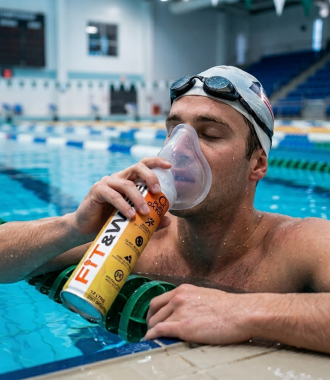
Supplemental oxygen can support the recovery phase by helping normalize breathing and reduce the feeling of exhaustion after intense runs.
After completing a long-distance session, runners often spend several minutes trying to catch their breath. Supporting oxygen intake during this time can make recovery feel smoother and more controlled.
This allows the body to transition more quickly from exertion to recovery mode, helping reduce overall fatigue.
How Fit&Wise Portable Oxygen Fits Into Running Routines
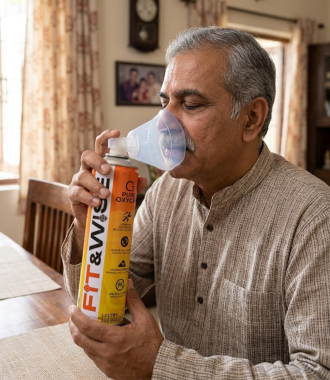
Fit&Wise Portable Oxygen Can can be easily incorporated into a runner’s routine without adding complexity.
It can be used immediately after finishing a long run, during breaks in interval training, or after particularly demanding sessions. Because it is lightweight and easy to carry, it can be kept in a gym bag or recovery kit without any hassle.
This makes it a convenient addition for runners who prioritize recovery and performance consistency.
When Runners Benefit the Most
There are specific situations where oxygen demand becomes significantly higher. Long-distance races, intense interval workouts, and training in hot or humid conditions can all increase physical stress.
Runners preparing for marathons or endurance events may experience cumulative fatigue over time. Supporting recovery during these periods can make a noticeable difference in how the body responds to training.
The Link Between Oxygen and Performance Consistency
Consistency is one of the most important factors in marathon training. The ability to perform at a steady level across multiple sessions determines long-term progress.
Efficient oxygen recovery helps maintain energy levels, reduce fatigue, and improve overall endurance. This allows runners to train more effectively and avoid burnout.
Over time, better recovery leads to stronger performance and improved results.
Smart Recovery Habits for Marathon Runners
Recovery is not just about rest; it is about how effectively the body resets after exertion. Controlled breathing techniques can help regulate oxygen intake during and after runs.
Hydration plays a critical role in maintaining circulation and supporting oxygen delivery. Nutrition ensures that the body has the necessary fuel to recover and rebuild.
When combined with effective recovery strategies, these habits can significantly enhance endurance performance.
Conclusion: Run Longer, Recover Better
Marathon running pushes the body to its limits, making recovery an essential part of performance. While training builds endurance, recovery ensures that endurance is sustained over time.
Efficient oxygen management helps runners stay consistent, reduce fatigue, and perform at their best.
Fit&Wise Portable Oxygen Can offers a simple and practical way to support recovery after long and demanding runs.
Ready to Support Your Running Recovery?
Improve your endurance and bounce back faster after every run.
Get yours here: Fit&Wise Portable Oxygen Can on Amazon India