
Introduction: Why Your Workouts Feel Harder Than They Should
Many people step into their fitness journey with full commitment. They follow structured routines, increase workout intensity over time, and pay attention to diet—especially protein intake. On the surface, everything seems aligned with their goals.
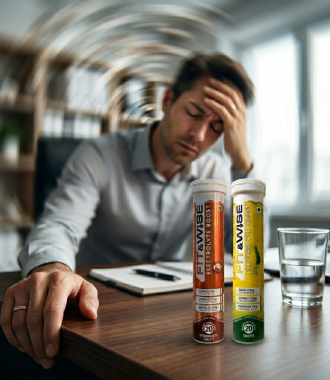
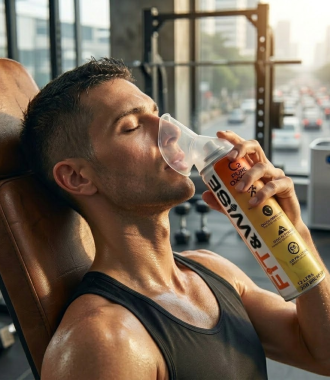
Yet, despite this effort, a large number of individuals struggle with issues like early fatigue, poor stamina, muscle cramps, and slow recovery. Workouts feel exhausting much sooner than expected, and progress begins to plateau.
This often leads to confusion and frustration.
What is commonly overlooked in such situations is not the workout plan or discipline—but hydration at a deeper level. Most people believe drinking water is enough, but hydration is far more complex than that. It involves maintaining the right balance of electrolytes in the body.
Electrolytes are essential minerals that regulate muscle contractions, nerve signals, and fluid balance. Without them, the body simply cannot perform efficiently, no matter how strong or motivated a person is.
Understanding how electrolytes impact fitness can completely change the way one approaches workouts, endurance, and recovery.
What Are Electrolytes and Why Do They Matter in Fitness?
Electrolytes are minerals that carry an electric charge when dissolved in body fluids. These include sodium, potassium, calcium, magnesium, and chloride. While they may sound like technical terms, their role in the body is extremely practical and directly linked to physical performance.
Every time a muscle contracts, a nerve fires, or fluid moves within the body, electrolytes are involved.
In the context of fitness, their importance becomes even more significant. During exercise, the body relies heavily on efficient communication between muscles and nerves. Electrolytes ensure that this communication remains smooth and uninterrupted.
Without sufficient electrolyte levels, the body starts to experience inefficiencies. Movements become less coordinated, muscles fatigue faster, and endurance drops.
What Happens Inside the Body During Exercise
To truly understand the importance of electrolytes, it is essential to look at what happens internally during a workout.
As soon as physical activity begins, the body starts generating heat. To regulate this temperature, it releases sweat. While sweating is a natural cooling mechanism, it comes with a cost—the loss of fluids and electrolytes.
At the initial stages, this loss may not seem significant. However, as the workout continues, especially in high-intensity or long-duration sessions, the depletion becomes more pronounced.
This creates a chain reaction inside the body:
- Fluid levels start dropping
- Electrolyte concentration becomes imbalanced
- Blood circulation efficiency reduces
- Muscle function begins to decline
As a result, the body has to work harder to perform the same activity. This is why workouts start feeling heavier midway, even if energy levels seemed fine at the beginning.
The Direct Link Between Electrolytes and Endurance
Endurance is often associated with cardiovascular fitness, but hydration plays an equally critical role.
When electrolyte levels are balanced, the body maintains proper fluid distribution. This allows blood to circulate efficiently, delivering oxygen and nutrients to working muscles.
However, when electrolyte levels drop, this balance is disturbed.
The consequences are noticeable:
- Muscles receive less oxygen
- Energy production slows down
- The heart works harder to compensate
- Fatigue sets in much earlier
Even a small imbalance can significantly reduce endurance. This is why some individuals feel exhausted during workouts that they were previously able to complete with ease.
Why Muscle Cramps and Sudden Fatigue Occur
Muscle cramps are one of the most common complaints among individuals who engage in physical activity. They can occur during workouts or even hours later.
While cramps are often blamed on overexertion, the underlying cause is frequently an electrolyte imbalance.
Electrolytes control how muscles contract and relax. When levels of sodium, potassium, or magnesium drop, this process becomes irregular. Muscles may contract involuntarily and fail to relax properly, resulting in cramps.
Fatigue, on the other hand, is a broader issue.
When the body lacks sufficient electrolytes:
- Muscle efficiency decreases
- Nerve signaling slows down
- Energy production becomes less effective
This combination leads to a rapid decline in performance and a prolonged recovery time.
Why Drinking Only Water Is Not Enough
A common misconception in fitness is that staying hydrated simply means drinking more water. While water is essential, it does not replace the electrolytes lost through sweat.
In fact, consuming excessive water without replenishing electrolytes can dilute the remaining mineral concentration in the body. This can worsen the imbalance rather than correct it.
This is especially important for individuals who:
- Engage in intense workouts
- Exercise in hot or humid conditions
- Sweat heavily during physical activity
In such cases, hydration must include both fluids and electrolytes to maintain proper balance.
The Role of Electrolytes in Post-Workout Recovery
Recovery is where actual fitness progress happens. After a workout, the body enters a repair phase where muscles rebuild and energy stores are replenished.
Electrolytes play a crucial role in this process.
They help restore fluid balance, support muscle repair, and reduce soreness. Without proper electrolyte replenishment, the body struggles to recover efficiently.
This can lead to:
- Persistent fatigue
- Increased muscle soreness
- Reduced performance in subsequent workouts
Over time, poor recovery can slow down overall progress and increase the risk of injury.
Real-Life Fitness Scenarios Where Electrolytes Make a Difference
Electrolyte balance affects individuals differently depending on their lifestyle and activity level.
For someone working out in a gym, it may appear as reduced stamina or frequent cramps. For runners or athletes, it can impact endurance and performance consistency.
In everyday situations, it may show up as:
- Feeling drained after a workout
- Struggling to complete usual routines
- Taking longer to recover between sessions
Environmental factors also play a major role. In hot and humid conditions, the body loses more electrolytes through sweat, making replenishment even more important.
How Fit&Wise Electrolyte Boost Supports Performance
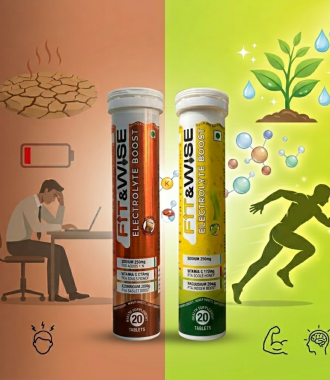
Fit&Wise Electrolyte Boost is designed to address these challenges by providing a balanced combination of essential electrolytes.
It works by helping the body restore what is lost during physical activity, ensuring that muscle function, hydration, and energy levels remain stable.
Unlike basic hydration methods, it supports the body at a deeper level by improving fluid absorption and maintaining electrolyte balance.
This allows individuals to perform more efficiently and recover faster.
How to Use Electrolytes Strategically in Fitness
Electrolyte intake should not be random. It works best when used strategically around physical activity.
Before a workout, it helps prepare the body by ensuring proper hydration levels. During exercise, especially long sessions, it supports endurance and prevents fatigue. After the workout, it aids in recovery.
A simple approach includes:
- Using electrolytes before intense workouts
- Replenishing during prolonged sessions
- Supporting recovery immediately after exercise
This ensures that the body remains balanced throughout the entire fitness cycle.
Practical Tips for Maintaining Proper Hydration
Hydration is not something that should be addressed only during workouts. It needs to be maintained throughout the day.
Some practical ways to ensure proper hydration include:
- Starting the day with adequate fluid intake
- Monitoring signs of dehydration such as fatigue or headaches
- Adjusting hydration based on activity level and climate
- Including electrolyte support when necessary
Consistency is key. Small, regular efforts make a significant difference over time.
Long-Term Benefits of Balanced Electrolytes in Fitness
Maintaining proper electrolyte balance leads to long-term improvements in fitness performance.
Individuals often notice:
- Better endurance and stamina
- Reduced muscle cramps
- Faster recovery times
- Improved overall energy levels
The body becomes more efficient in handling physical stress, allowing for more consistent progress.
Conclusion: True Performance Begins With Internal Balance
Fitness is not just about effort—it is about how well the body is supported internally.
Electrolytes play a foundational role in ensuring that muscles function properly, energy levels remain stable, and recovery happens efficiently.
Ignoring this aspect can limit performance, no matter how strong or disciplined an individual may be.
By understanding the importance of hydration beyond just water and incorporating solutions like Fit&Wise Electrolyte Boost, individuals can unlock their true potential and make their fitness journey more effective and sustainable.