
Introduction: More Than Just a Trek
High-altitude trekking is often seen as the ultimate adventure. Snow-covered peaks, breathtaking views, and the thrill of reaching new heights attract thousands of trekkers every year.
However, trekking at high altitudes is very different from regular trails.
As elevation increases, the environment becomes more challenging, and the body is pushed beyond its usual limits. The biggest and most important factor behind this change is oxygen availability.
Many trekkers underestimate this aspect, which can turn an exciting journey into a physically exhausting and uncomfortable experience.
Understanding the basics of high-altitude trekking is essential for both safety and enjoyment.
What Is Considered High Altitude
High altitude generally refers to elevations above 2,500 meters (8,000 feet). As trekkers go higher, the air becomes thinner, meaning there is less oxygen available for the body to use.
This does not happen suddenly but gradually, which is why the effects may not be immediately noticeable.
However, as the trek continues, the body starts reacting to these changes more clearly.
How Oxygen Levels Change with Altitude
At higher elevations, atmospheric pressure decreases, making it harder for oxygen to enter the bloodstream.
Even though the percentage of oxygen in the air remains the same, the reduced pressure limits how much oxygen the body can absorb with each breath.
This means that the body receives less oxygen than it needs, especially during physical activity like trekking.
As a result, even simple movements can feel more demanding.
How the Body Responds to High Altitude
The body immediately begins to adjust to lower oxygen levels.
Breathing becomes faster and deeper in an attempt to increase oxygen intake. Heart rate also rises to circulate oxygen more efficiently.
Despite these efforts, trekkers often experience noticeable changes such as quicker fatigue, reduced stamina, and a slower pace.
Some individuals may also feel lightheaded or experience mild discomfort as the body struggles to adapt.
These responses are natural but highlight the importance of proper preparation.
Common Challenges During High-Altitude Trekking
High-altitude trekking comes with a unique set of challenges that go beyond physical fitness.
Trekkers often experience fatigue building up faster than expected, even during moderate effort. Breathlessness becomes more noticeable, particularly during climbs or steep sections.
There may also be moments of dizziness or reduced focus, which can affect overall performance and confidence.
In addition, recovery during rest breaks tends to be slower, making the journey feel more demanding.
These challenges are directly linked to reduced oxygen availability.
Essential Tips for High-Altitude Trekking
Preparation plays a crucial role in ensuring a safe and comfortable trekking experience.
Some important practices include:
- Ascending gradually to allow the body to adapt
- Staying well hydrated throughout the trek
- Taking regular breaks to avoid overexertion
- Maintaining a steady and manageable pace
- Practicing deep and controlled breathing
Following these steps helps the body cope better with altitude changes and reduces discomfort.
Why Oxygen Becomes the Most Critical Factor
While fitness, gear, and planning are important, oxygen remains the most critical factor at high altitudes.
The body depends on oxygen for energy production, muscle function, and mental clarity. When oxygen supply is insufficient, every aspect of performance is affected.
This can lead to increased fatigue, reduced endurance, and difficulty maintaining focus.
In more challenging situations, lack of oxygen can significantly impact safety.
This is why experienced trekkers and climbers prioritize oxygen management during their journeys.
The Shift from Preparation to Necessity
At lower altitudes, oxygen may not be something trekkers actively think about.
However, as the trek progresses and elevation increases, oxygen support becomes less of an option and more of a necessity.
Moments of breathlessness, sudden fatigue, or dizziness can occur unexpectedly. In such situations, having immediate access to oxygen can make a significant difference.
This is where preparation turns into a critical safety measure.
How Fit&Wise Portable Oxygen Can Be a Life-Saving Support
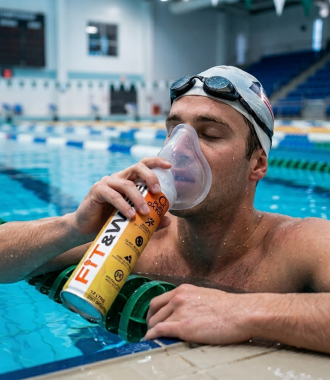
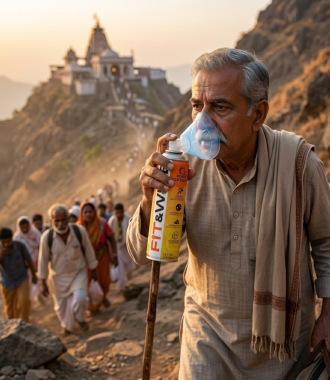
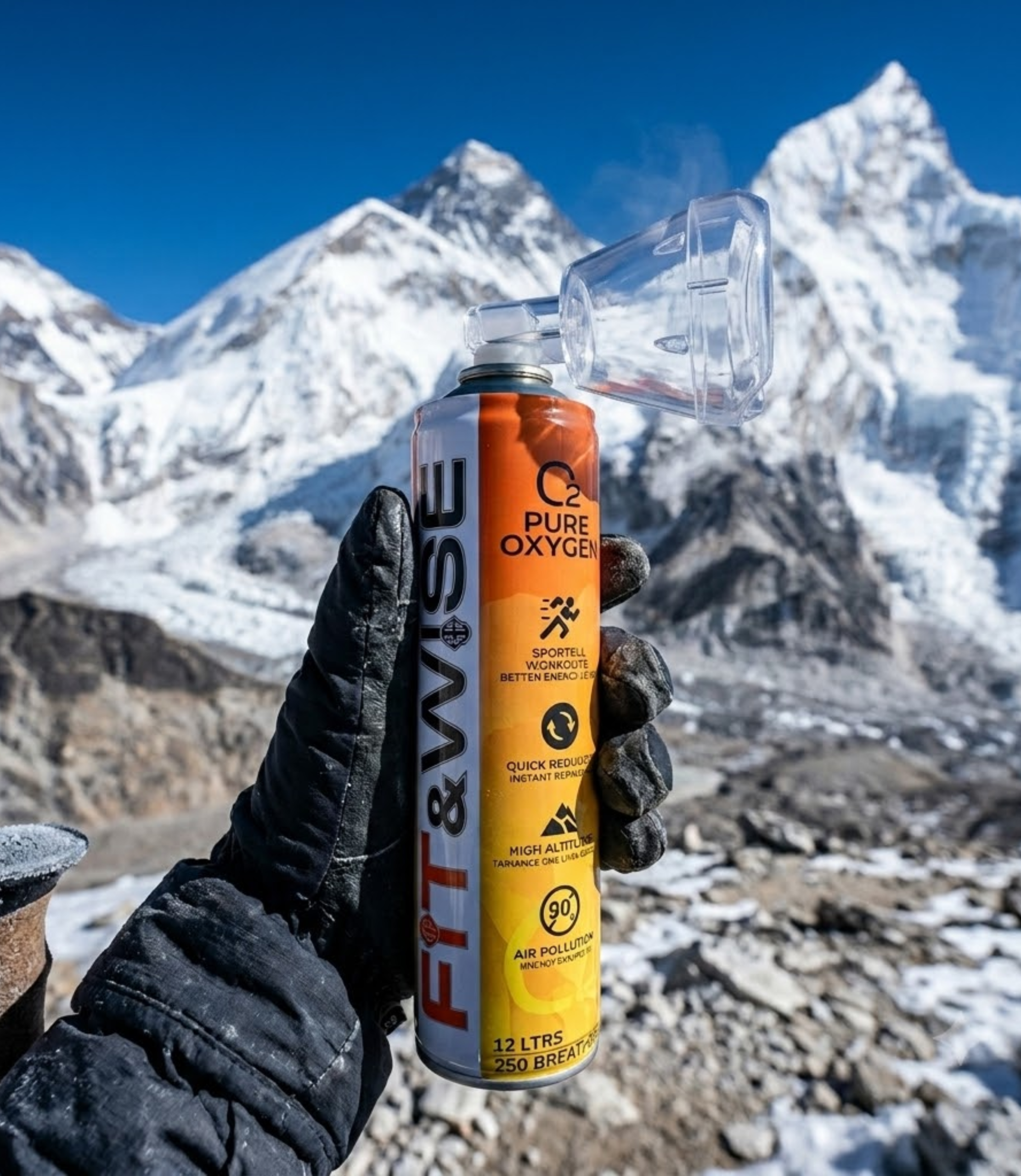
The Fit&Wise Portable Oxygen Can provides a practical and reliable solution for managing oxygen needs during high-altitude treks.
It offers quick access to oxygen, helping the body recover during moments of low oxygen availability.
In situations where trekkers feel breathless, fatigued, or lightheaded, it can help restore balance and improve comfort.
Key benefits include:
- Immediate support during sudden breathlessness
- Faster recovery during rest breaks
- Improved stamina in low-oxygen environments
- Better focus and stability during challenging sections
Its compact and lightweight design makes it easy to carry, ensuring that support is always within reach.
When It Can Make the Biggest Difference
The Fit&Wise Portable Oxygen Can becomes especially valuable during critical moments of a trek.
It can be used during steep climbs when oxygen demand increases significantly. It also helps after long stretches of walking, where fatigue begins to build up.
At higher altitudes, where oxygen levels are naturally lower, it provides essential support for maintaining comfort and performance.
In unexpected situations such as dizziness or instability, quick oxygen access can help trekkers regain control and continue safely.
Supporting Your Trek Beyond Oxygen
While oxygen support is crucial, combining it with good trekking practices ensures the best results.
Maintaining a steady pace, staying hydrated, and allowing time for acclimatization all contribute to better performance.
Listening to the body and avoiding overexertion is equally important.
When these habits are combined with reliable oxygen support, trekking becomes safer and more manageable.
Conclusion: Trek Prepared, Stay Protected
High-altitude trekking is an incredible experience, but it comes with real challenges that should not be underestimated.
Oxygen plays a central role in how the body performs and adapts during the journey.
Being prepared with the right knowledge and tools can make the difference between struggle and enjoyment.
The Fit&Wise Portable Oxygen Can is more than just an accessory – it is a practical support system that can help trekkers manage altitude challenges effectively.
In demanding environments where every breath matters, having access to oxygen can truly be a life-saving advantage.
Ready for Your Next Trek?
Don’t let low oxygen levels slow you down on your adventure. Stay prepared, stay confident, and trek smarter with reliable oxygen support by your side.
Fit&Wise Portable Oxygen Can is available on Amazon India.
Get yours here: Fit&Wise Portable Oxygen Can on Amazon India
Make every breath count on your next trek.