
Introduction: Where Every Step Tests the Body
Mountain climbing is one of the most physically demanding and mentally challenging activities. It pushes the body to its limits while exposing climbers to extreme environmental conditions.
As climbers ascend higher, the terrain becomes tougher, temperatures drop, and oxygen levels decrease significantly.
While strength, endurance, and skill are essential, one critical factor often determines how well a climber performs — oxygen availability.
At extreme altitudes, every breath matters, and managing oxygen becomes key to both performance and safety.
Understanding High-Altitude Conditions
Mountain climbing often takes place at elevations well above 3,000 meters, where the air becomes noticeably thinner.
At these heights, atmospheric pressure decreases, reducing the amount of oxygen the body can absorb with each breath.
This creates a challenging environment where the body has to work harder to perform even basic movements.
Climbers may initially feel fine, but as they ascend further, the effects of reduced oxygen become more apparent.
How Reduced Oxygen Affects Climbers
As oxygen levels drop, the body begins to respond immediately.
Breathing becomes faster and deeper, and the heart works harder to circulate oxygen throughout the body.
Despite these adjustments, climbers often experience fatigue much sooner than expected. Movements slow down, and even simple tasks like walking or carrying gear require more effort.
Mental clarity can also be affected, making decision-making more difficult in critical situations.
These effects highlight the importance of maintaining adequate oxygen support.
Common Challenges Faced During Climbs
Mountain climbers face multiple challenges that are directly linked to low oxygen levels.
Fatigue builds up quickly, especially during steep ascents or long climbing sessions. Breathlessness becomes more noticeable, even during moderate effort.
Climbers may also experience dizziness or reduced balance, which can impact safety on narrow or uneven paths.
Recovery during rest periods is slower, making it harder to regain energy for the next phase of the climb.
These challenges can intensify as altitude increases.
The Importance of Oxygen in Climbing Performance
Oxygen is essential for muscle function, endurance, and overall performance.
When oxygen supply is limited, the body cannot produce energy efficiently, leading to reduced strength and stamina.
This not only affects physical performance but also increases the risk of mistakes due to fatigue or lack of focus.
For climbers, maintaining oxygen balance is crucial for both progress and safety.
Why Preparation Alone Is Not Always Enough
Climbers often prepare extensively with physical training, acclimatization, and proper gear.
While these factors are important, they may not fully eliminate the effects of low oxygen at high altitudes.
Unexpected fatigue, sudden breathlessness, or environmental changes can still impact performance.
In such situations, having immediate access to oxygen support can make a significant difference.
It adds an extra layer of preparedness that goes beyond standard planning.
How Fit&Wise Portable Oxygen Can Supports Mountain Climbers
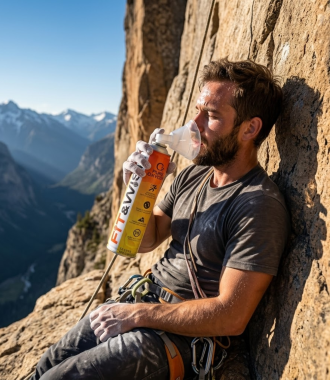
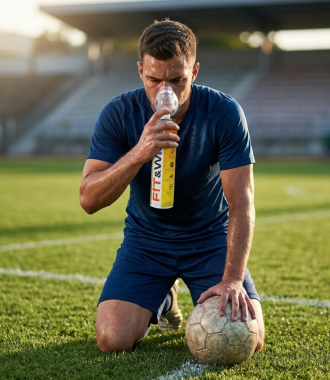
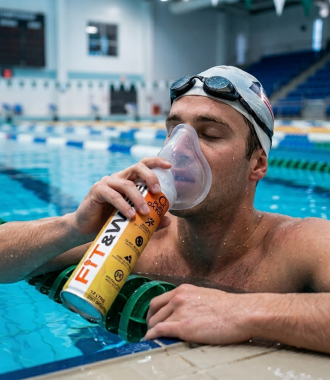
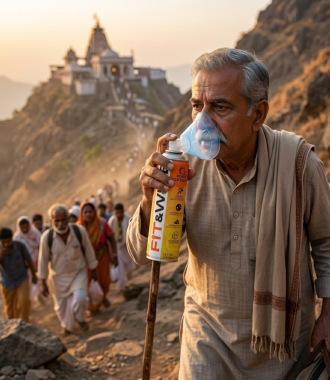
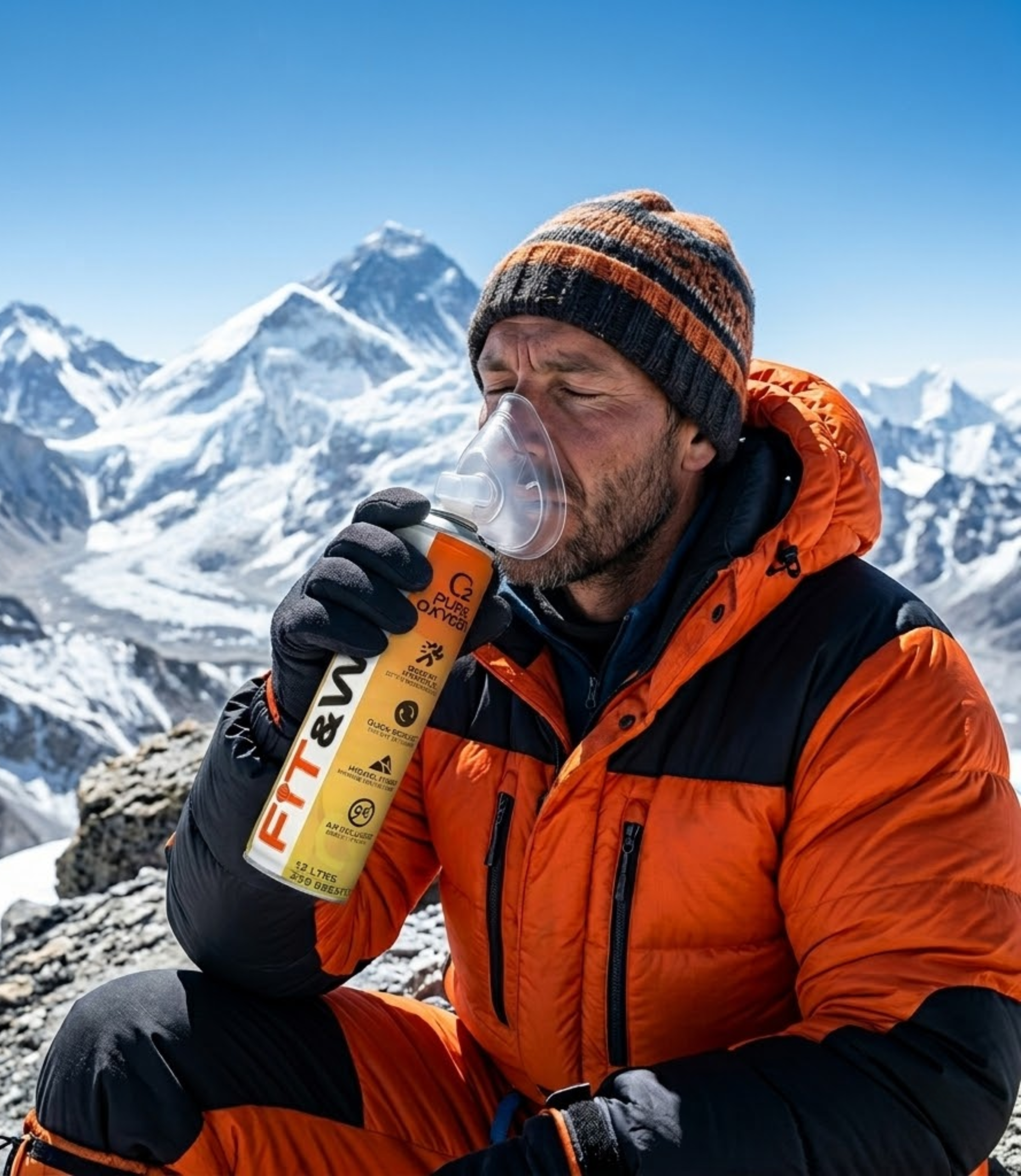
The Fit&Wise Portable Oxygen Can provides a practical solution for managing oxygen needs during climbs.
It offers quick access to supplemental oxygen, helping climbers recover during moments of low oxygen availability.
Whether it is during a steep ascent or after prolonged exertion, it helps restore comfort and stability.
Key benefits include:
- Immediate relief during breathlessness at high altitudes
- Faster recovery during rest breaks
- Improved stamina during prolonged climbs
- Better focus and coordination in challenging conditions
Its lightweight and portable design ensures that it can be easily carried along with other essential gear.
When It Becomes Most Useful During a Climb
There are specific moments during a climb when oxygen support becomes especially valuable.
During steep ascents, when the body demands more oxygen to sustain effort. After long climbing stretches, when fatigue begins to build up.
At extreme altitudes, where oxygen levels are significantly lower and breathing becomes more difficult.
It is also helpful in situations where climbers feel lightheaded or unstable, providing quick support to regain balance and control.
Having access to oxygen during these moments can enhance both safety and performance.
Supporting a Safer Climbing Experience
Mountain climbing requires a combination of physical strength, mental focus, and proper decision-making.
Supporting oxygen intake helps maintain all three.
Climbers who manage their oxygen levels effectively are better equipped to handle challenges, maintain steady progress, and make safer decisions.
When combined with proper acclimatization, hydration, and pacing, oxygen support contributes to a more controlled and confident climbing experience.
Conclusion: Climb Higher, Stay Stronger
Mountain climbing is an extraordinary experience, but it comes with real physical challenges that should not be underestimated.
Oxygen plays a central role in how the body performs and adapts at high altitudes.
Being prepared with the right support can make the difference between struggle and success.
The Fit&Wise Portable Oxygen Can serves as a reliable companion, helping climbers manage breathlessness, fatigue, and low oxygen conditions effectively.
In extreme environments, where every step counts, having access to oxygen can be a crucial advantage.
Ready for Your Next Climb?
Take your climbing experience to the next level with better oxygen support and improved performance.
Fit&Wise Portable Oxygen Can is available on Amazon India.
Get yours here: Fit&Wise Portable Oxygen Can on Amazon India
Climb with confidence and breathe with ease.