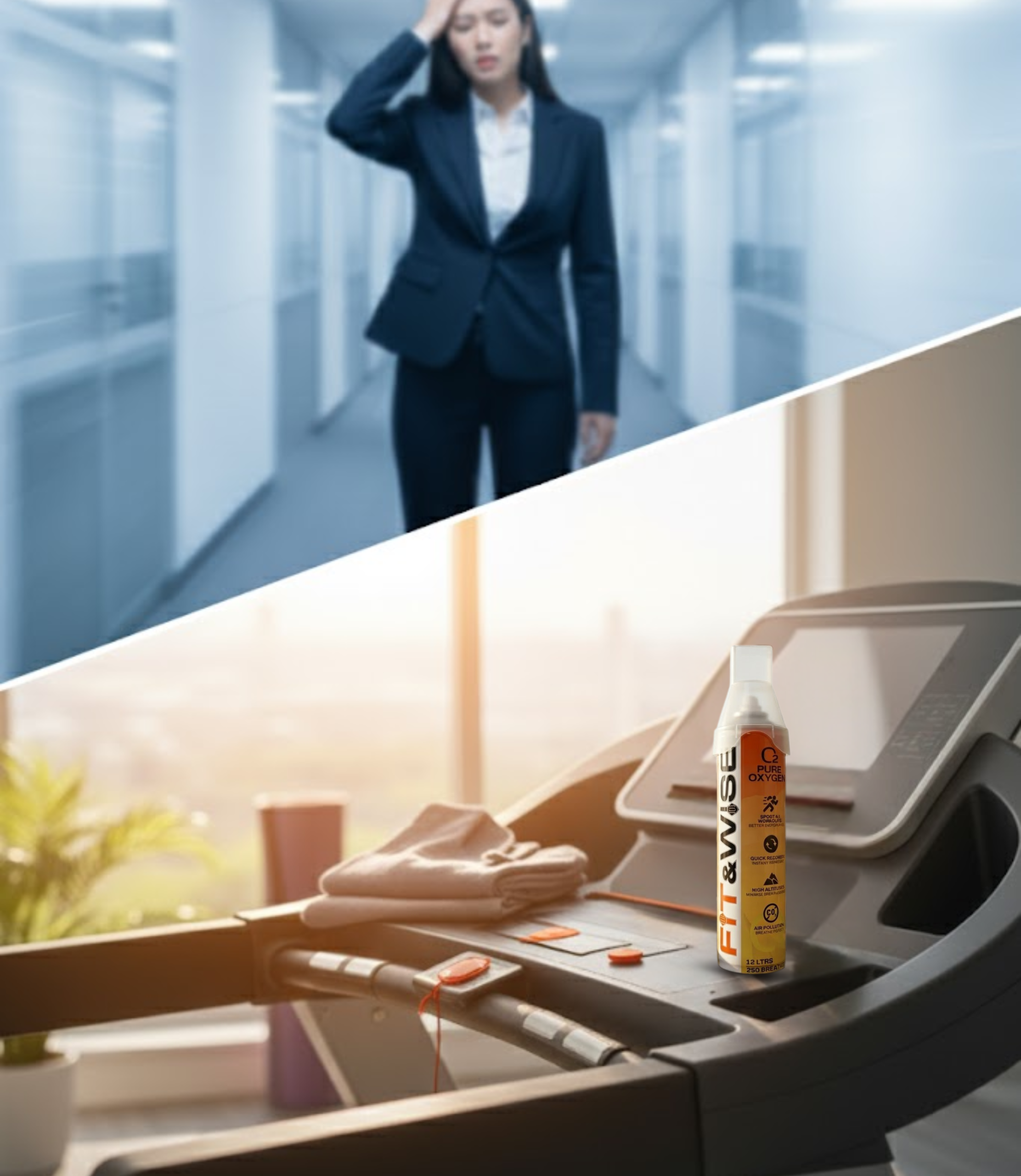

Introduction: When Simple Tasks Start Feeling Heavy
Climbing a flight of stairs, walking a short distance, or even carrying out routine daily activities should not feel exhausting. Yet, many individuals today experience a surprising sense of breathlessness during such tasks.
This can be confusing, especially for those who consider themselves relatively healthy and active. The sudden feeling of fatigue or the need to pause midway through simple actions often raises concern but is frequently ignored.
In many cases, this discomfort is dismissed as a lack of fitness, poor stamina, or simply a result of a long day. While these can be contributing factors, there is another important element that often goes unnoticed—oxygen efficiency.
The body’s ability to absorb, transport, and utilize oxygen plays a crucial role in how easily it performs everyday activities. Oxygen is not just essential for survival; it directly impacts energy production, muscle performance, and mental clarity.
When oxygen efficiency is reduced, even the simplest tasks can start feeling unusually demanding. Over time, this can affect productivity, mood, and overall quality of life.
Understanding Oxygen Efficiency
Oxygen efficiency refers to how effectively the body takes in oxygen from the air and delivers it to cells where it is needed.
This process involves a coordinated effort between multiple systems:
- The lungs, which intake oxygen
- The bloodstream, which transports oxygen
- The heart, which pumps oxygen-rich blood
- The cells, which use oxygen to produce energy
When all these systems function smoothly, the body operates efficiently, allowing individuals to carry out physical and mental tasks without strain.
However, when even one part of this system underperforms, oxygen delivery becomes less effective. This inefficiency forces the body to work harder to meet its energy needs.
As a result, individuals may experience:
- Early fatigue
- Reduced stamina
- Shortness of breath
- Slower recovery after activity
Over time, this reduced efficiency can create a noticeable difference in daily performance, even in individuals without underlying health conditions.
Why Breathlessness Occurs Without Intense Activity
Breathlessness is commonly associated with heavy exercise or intense physical effort. However, it can also occur during routine, low-intensity activities.
This happens when the body struggles to meet its oxygen demand, even at lower levels of exertion.
When oxygen supply is not sufficient, the body compensates by increasing breathing rate and heart rate. This creates a feeling of discomfort or heaviness, even during simple tasks.
Several everyday factors can contribute to this condition:
- Reduced air quality: Polluted air contains lower levels of usable oxygen and more harmful particles
- Poor ventilation: Indoor environments with limited airflow reduce fresh oxygen intake
- Sedentary lifestyle: Lack of physical activity weakens lung capacity and circulation efficiency
- Fatigue and stress: Mental and physical stress increase oxygen demand while reducing efficiency
- Dehydration: Affects blood circulation and oxygen transport
These factors may seem minor individually, but together they significantly impact how the body utilizes oxygen.
As a result, tasks that once felt easy may begin to feel tiring and uncomfortable.
The Impact of Urban Living on Oxygen Levels
Modern urban living plays a significant role in reduced oxygen efficiency.
Cities are often characterized by:
- High levels of air pollution
- Traffic congestion
- Limited green spaces
- Crowded public environments
- Indoor lifestyle habits
These conditions collectively reduce exposure to clean, oxygen-rich air.
Air pollutants such as dust, smoke, and chemicals can affect lung function over time, making oxygen absorption less efficient. Additionally, spending long hours indoors—whether at offices, homes, or public spaces—limits access to fresh air.
Over time, this can lead to a gradual decline in oxygen efficiency.
What makes this issue more challenging is that the effects are often subtle. Individuals may not notice immediate symptoms, but the impact becomes evident during physical activity or prolonged exertion.
Common signs include:
- Feeling unusually tired after short walks
- Difficulty climbing stairs without pauses
- Reduced focus or mental clarity
- Frequent need to rest during routine tasks
These signs indicate that the body is working harder than necessary due to inefficient oxygen utilization.
Real-Life Scenarios: How It Shows Up Daily
Breathlessness and fatigue linked to oxygen inefficiency can appear in several everyday situations.
For instance:
- A working professional may feel exhausted after walking between meetings
- A student may struggle to stay energetic throughout the day
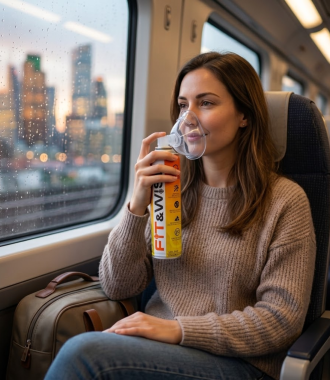
- A commuter may feel discomfort in crowded public transport
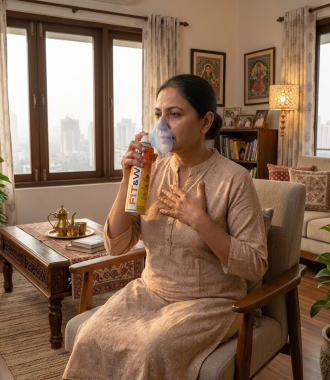
- A homemaker may experience fatigue during routine chores
These situations are often normalized, but they highlight how oxygen efficiency directly impacts daily life.
Another common scenario is post-activity fatigue. Even mild physical effort, such as carrying groceries or climbing a few flights of stairs, may lead to prolonged tiredness.
This is not always due to lack of strength or endurance. Instead, it often reflects the body’s inability to efficiently deliver oxygen where it is needed.
Recognizing these patterns is the first step toward addressing the issue.
How Fit&Wise Portable Oxygen Can Helps
In situations where natural oxygen availability is limited, external support can make a meaningful difference.
The Fit&Wise Portable Oxygen Can provides a convenient and accessible way to support oxygen intake whenever needed.
It is designed to deliver a quick boost of oxygen, helping the body recover from temporary shortness of breath or fatigue.
Key benefits include:
- Instant support: Helps improve oxygen availability during moments of breathlessness
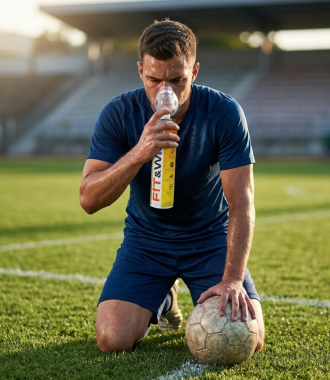
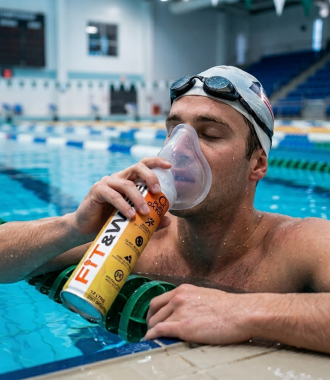
- Enhanced recovery: Assists in faster recovery after physical exertion
- Improved comfort: Reduces the feeling of heaviness during daily activities
- Ease of use: Simple and user-friendly design for all age groups
- Portability: Compact size makes it easy to carry anywhere
By supporting oxygen intake, it helps the body restore balance and function more efficiently, especially in environments where oxygen quality may be compromised.
Practical Usage in Everyday Life
The portability and ease of use make the Fit&Wise Portable Oxygen Can suitable for a wide range of everyday situations.
It can be used:
- After climbing stairs or walking long distances
- During travel, especially in crowded or poorly ventilated areas
- At workplaces where indoor air quality may be limited
- Post-workout for quicker recovery
- During moments of fatigue or low energy
Its compact design allows individuals to carry it in bags, cars, or office spaces, ensuring it is available whenever required.
Regular and mindful use during such situations can help individuals maintain better energy levels and reduce discomfort associated with breathlessness.
Supporting Better Oxygen Efficiency Naturally
While supportive solutions like portable oxygen cans are helpful, improving overall oxygen efficiency also involves lifestyle adjustments.
Some simple practices include:
- Spending time in open, green spaces
- Maintaining regular physical activity
- Practicing deep breathing exercises
- Staying hydrated throughout the day
- Ensuring proper indoor ventilation
These habits, combined with supportive tools, can significantly improve how the body utilizes oxygen.
Conclusion: Better Oxygen, Easier Living
Oxygen plays a fundamental role in how the body performs daily tasks. Even slight inefficiencies in oxygen utilization can lead to noticeable changes in energy levels, stamina, and comfort.
In today’s fast-paced and urban lifestyle, maintaining optimal oxygen efficiency has become more important than ever.
Understanding the connection between oxygen and everyday performance allows individuals to make informed choices that support their well-being.
The Fit&Wise Portable Oxygen Can offers a simple, practical, and effective way to support the body during moments when oxygen demand increases or availability decreases.
By addressing oxygen needs proactively, individuals can experience smoother daily functioning, improved energy levels, and a more comfortable lifestyle.