
Introduction: The Hidden Challenge of Trekking
Trekking is often associated with adventure, scenic landscapes, and a sense of achievement. Whether it is a short mountain trail or a high-altitude expedition, trekking pushes the body beyond its usual comfort zone.
Most people prepare for trekking by focusing on physical fitness, gear, and weather conditions. However, one critical factor is often underestimated — oxygen availability.
As altitude increases, oxygen levels in the air decrease. This change is gradual but has a direct impact on how the body performs. Many trekkers only realize this when they start experiencing fatigue, breathlessness, or discomfort during the journey.
Understanding the role of oxygen can make trekking not only safer but also more enjoyable.
How Oxygen Levels Change During Trekking
At sea level, the air contains a balanced amount of oxygen that the body is used to. However, as elevation increases, the air becomes thinner, meaning there is less oxygen available with every breath.
This does not mean the oxygen percentage drastically changes, but the pressure decreases, making it harder for the body to absorb sufficient oxygen.
As a result, the body has to work harder to meet its oxygen demands.
This change becomes more noticeable as trekkers climb higher, especially in mountainous regions.
How the Body Reacts to Lower Oxygen Levels
When oxygen availability drops, the body immediately starts adjusting.
Breathing rate increases in an attempt to take in more oxygen. Heart rate may also rise to circulate oxygen more efficiently throughout the body.
Despite these adjustments, individuals often experience certain symptoms. These can include fatigue setting in faster than expected, slight breathlessness even during slow movement, and a noticeable drop in stamina.
Some trekkers may also feel lightheaded or find it difficult to maintain consistent energy levels throughout the trek.
These reactions are natural, but they highlight how important oxygen is for physical performance.
Why Trekking Feels More Exhausting at Higher Altitudes
Many trekkers notice that even simple movements feel more tiring at higher altitudes.
This is not just due to terrain or physical effort. Reduced oxygen availability means the body produces less energy at the cellular level.
As a result, muscles fatigue faster, recovery takes longer, and overall endurance decreases.
Even well-trained individuals may find themselves needing more frequent breaks. Activities that would normally feel easy can become physically demanding.
This is one of the main reasons why altitude plays such a significant role in trekking difficulty.
Common Challenges Faced by Trekkers
During trekking, especially in elevated regions, individuals often face a combination of physical and environmental challenges.
Fatigue tends to build up quickly, even with moderate effort. Breathing may feel heavier, particularly during climbs. Some trekkers also experience mild dizziness or a sense of imbalance, especially when gaining altitude rapidly.
In addition, recovery between breaks may take longer than usual, making the trek feel more strenuous than expected.
These challenges are common and can affect both beginners and experienced trekkers.
The Importance of Maintaining Oxygen Balance
Maintaining proper oxygen levels is essential for sustaining energy, focus, and physical performance during trekking.
When the body receives adequate oxygen, it functions efficiently, allowing trekkers to move comfortably and enjoy the journey.
However, when oxygen supply is insufficient, even temporarily, it can lead to discomfort and reduced performance.
This is why many trekkers look for ways to support their oxygen intake, especially during high-altitude climbs or long trekking sessions.
How Fit&Wise Portable Oxygen Can Supports Trekkers
In situations where natural oxygen availability is reduced, having an additional source of oxygen can be highly beneficial.
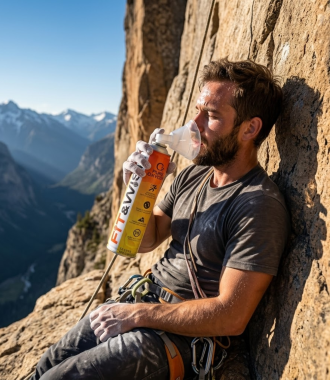
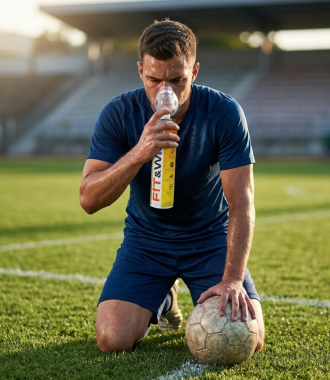
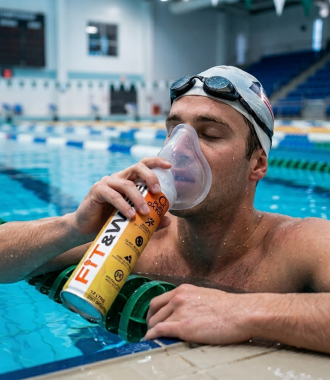
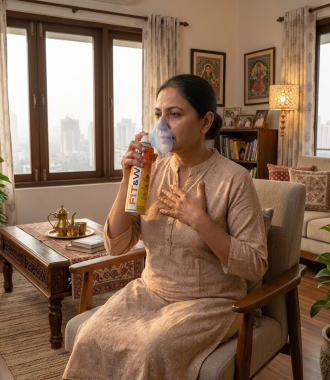
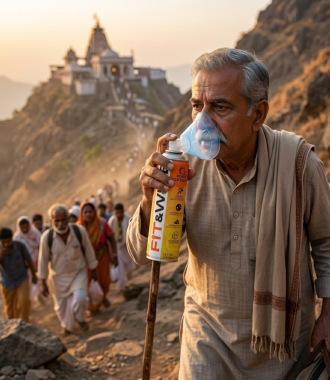
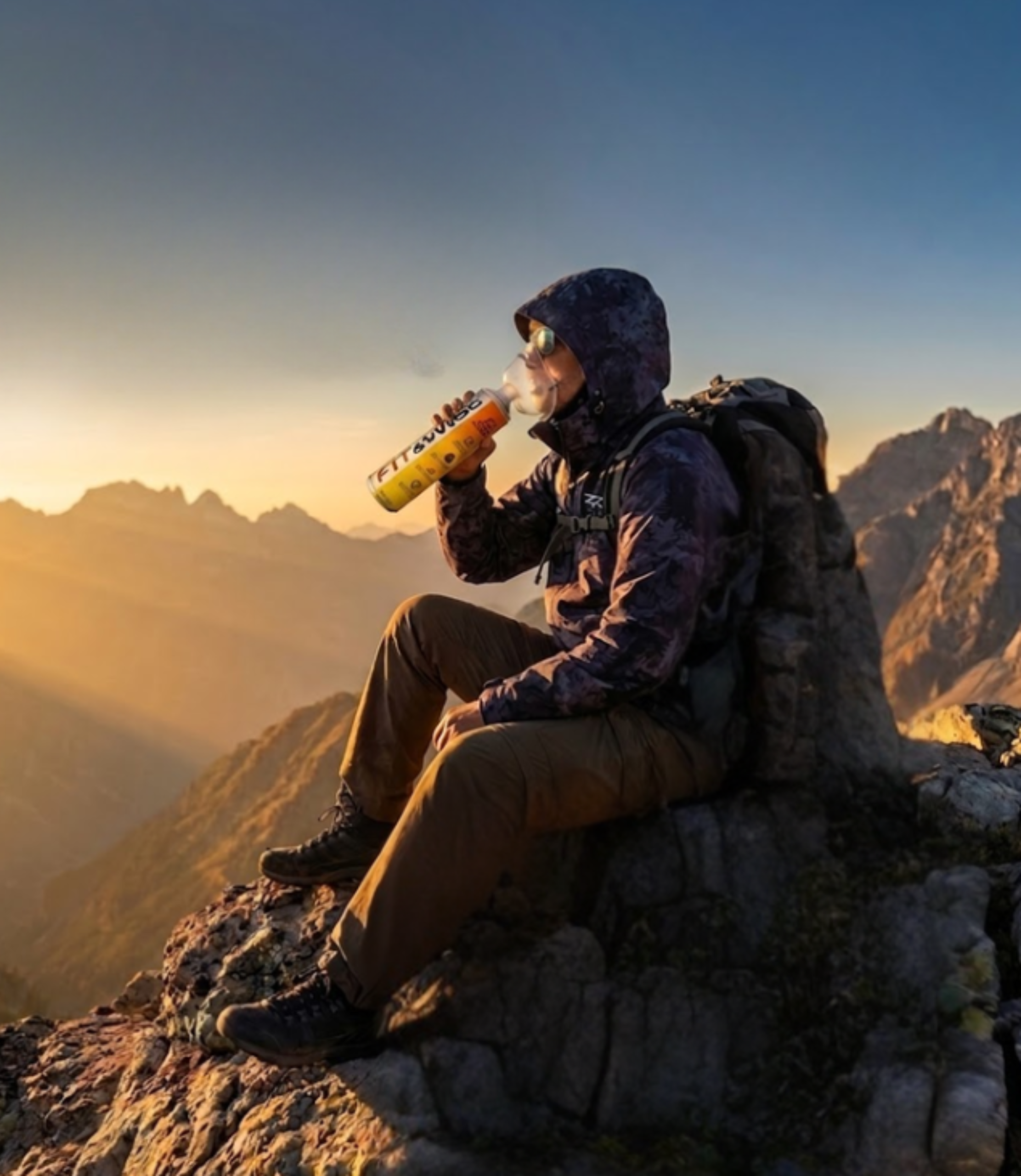
The Fit&Wise Portable Oxygen Can is designed to provide quick and convenient oxygen support during such moments.
It helps improve oxygen intake, allowing the body to regain balance and function more efficiently. This can make a noticeable difference during challenging sections of a trek.
Key benefits include:
- Quick support during breathlessness
- Improved comfort at higher altitudes
- Better recovery during rest breaks
- Enhanced stamina for continued trekking
This makes it a valuable companion for both short and long trekking journeys.
When Trekkers Can Use It
The Fit&Wise Portable Oxygen Can can be used in various situations during a trek where oxygen demand increases or discomfort begins to appear.
It is especially useful during steep climbs, where breathing becomes heavier and more effortful. It can also provide support after long walking stretches, when fatigue starts to build up.
During high-altitude trekking, where oxygen levels are naturally lower, it becomes even more helpful in maintaining comfort. Trekkers may also find it beneficial during rest breaks to support faster recovery before continuing the journey.
Having it readily accessible ensures that support is available whenever needed.
Supporting Trekking Performance Beyond Oxygen
While oxygen support plays a key role, overall trekking performance also depends on certain habits and preparation.
Maintaining a steady pace instead of rushing helps the body adapt better to changing altitude. Staying hydrated is equally important, as it supports overall body function.
Taking regular breaks allows the body to recover and adjust. Practicing controlled and deep breathing can also improve oxygen efficiency during the trek.
Combining these practices with proper oxygen support can significantly enhance the trekking experience.
Long-Term Benefits of Better Oxygen Management
Managing oxygen levels effectively during trekking not only improves immediate comfort but also has long-term benefits.
Trekkers are likely to experience better endurance, reduced fatigue, and improved overall performance. The journey becomes more enjoyable, with fewer interruptions due to discomfort.
Additionally, proper oxygen management helps build confidence, allowing individuals to take on more challenging treks in the future.
Conclusion: Trek Smarter, Breathe Better
Trekking is as much about endurance as it is about adaptation. Oxygen plays a central role in how the body responds to altitude, effort, and environmental conditions.
Ignoring this factor can make even simple treks feel exhausting, while understanding and managing it can transform the entire experience.
The Fit&Wise Portable Oxygen Can offers a practical and reliable solution to support trekkers in maintaining oxygen balance during their journey.
With the right preparation, awareness, and support, trekking can become more comfortable, enjoyable, and rewarding.