
Introduction: Living with Breathing Challenges Every Day
Living with Chronic Obstructive Pulmonary Disease (COPD) is far more than dealing with occasional breathlessness – it is a continuous, day-to-day challenge that impacts nearly every aspect of life. From the moment individuals wake up to the time they go to bed, breathing discomfort can influence how they move, work, interact, and rest.
Simple activities that many people take for granted – such as walking across a room, climbing a few stairs, carrying groceries, or even speaking for extended periods – can become physically exhausting. Over time, this persistent strain not only affects physical well-being but also takes a toll on emotional health and confidence.
Many individuals with COPD begin to adapt their lifestyle around their breathing limitations. They may avoid certain activities, limit social interactions, or become overly cautious in unfamiliar environments. This gradual restriction can reduce independence and overall quality of life.
While prescribed medications, inhalers, and medical treatments remain the cornerstone of COPD management, supportive solutions like supplemental oxygen can play a crucial role in enhancing everyday comfort. Understanding how oxygen impacts the body – and how to support it effectively – can help individuals manage COPD more confidently and comfortably.
Understanding Oxygen Needs in COPD
To fully appreciate the benefits of supplemental oxygen, it is important to understand how COPD affects the body’s oxygen dynamics.
COPD is a progressive lung condition that includes diseases such as chronic bronchitis and emphysema. These conditions damage the airways and air sacs in the lungs, making it difficult for oxygen to pass efficiently into the bloodstream.
Even though oxygen is present in the surrounding air, the lungs of a COPD patient may not be able to absorb and utilize it effectively. This leads to a condition where the body operates with suboptimal oxygen levels, even during rest.
As a result, individuals may experience:
- A constant feeling of “incomplete” breathing
- Increased effort required to inhale and exhale
- Reduced oxygen delivery to muscles and organs
- A persistent sense of fatigue
To compensate, the body increases breathing rate and heart rate, which can further contribute to exhaustion and discomfort.
Maintaining adequate oxygen support is therefore not just about easing breathing – it is essential for helping the entire body function more efficiently.
Why Daily Activities Feel More Exhausting
One of the most noticeable effects of COPD is the increased fatigue experienced during routine activities.
When oxygen levels are not sufficient, the body struggles to produce energy efficiently at a cellular level. Oxygen is a critical component in the process of energy production, and without it, even simple tasks require more effort.
Activities such as:
- Walking short distances
- Performing household chores
- Standing for extended periods
- Light physical movement
can quickly lead to tiredness and breathlessness.
Additionally, recovery time after these activities tends to be longer. What might take a few minutes for a healthy individual to recover from could take significantly more time for someone with COPD.
This creates a cycle where:
- Activity leads to fatigue
- Fatigue leads to reduced activity
- Reduced activity leads to lower stamina
Over time, this cycle can impact independence and overall lifestyle.
How Breathlessness Impacts Confidence
Breathlessness, or dyspnea, is not only a physical symptom – it also deeply affects emotional and psychological well-being.
The unpredictability of breathing discomfort often leads individuals to anticipate difficulty even before it occurs. This anticipation can create anxiety around certain situations, such as:
- Visiting crowded places
- Traveling long distances
- Engaging in social gatherings
- Spending time outdoors
As a result, many individuals begin to avoid these scenarios altogether.
This avoidance can lead to:
- Reduced social interaction
- Feelings of isolation
- Decreased confidence in mobility
- Increased dependency on others
Even small improvements in breathing comfort can have a significant impact on restoring confidence. When individuals feel more in control of their breathing, they are more likely to engage in activities they previously avoided.
The Role of Supplemental Oxygen Support
Supplemental oxygen support is designed to enhance the availability of oxygen to the body, especially in situations where natural intake is insufficient.
For COPD patients, this added oxygen can help:
- Reduce the effort required for breathing
- Improve oxygen delivery to muscles and organs
- Support better energy production
- Enhance overall comfort during activity
It is important to note that supplemental oxygen is not a replacement for medical treatment. Instead, it serves as an additional support system that complements existing therapies.
By improving oxygen availability, individuals may experience:
- Easier breathing during exertion
- Reduced fatigue
- Improved activity tolerance
- Greater overall comfort
This makes supplemental oxygen particularly valuable in managing day-to-day challenges associated with COPD.
How Fit&Wise Portable Oxygen Can Help
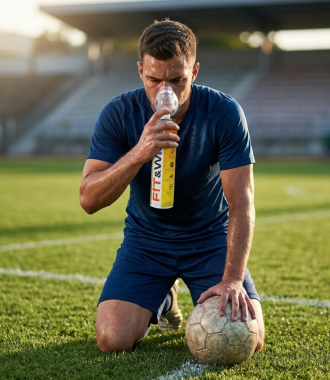
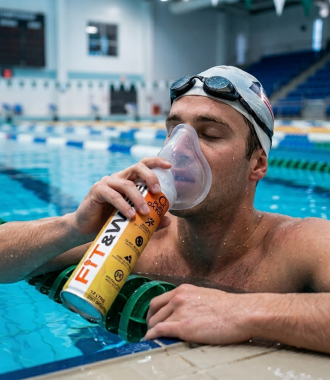
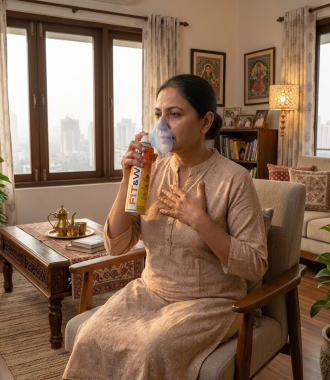
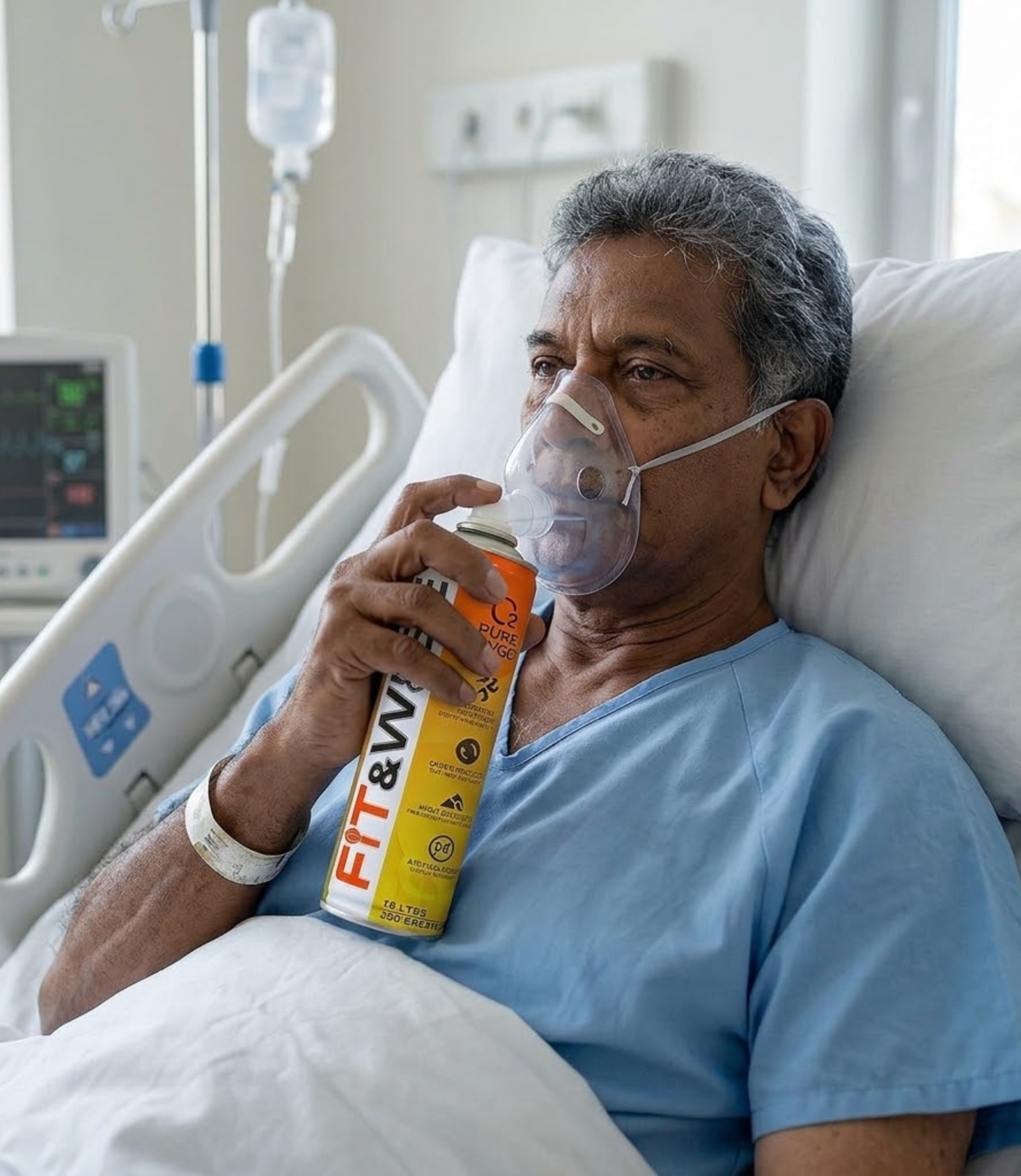
The Fit&Wise Portable Oxygen Can is designed to provide convenient and immediate oxygen support in everyday situations.
For individuals living with COPD, having quick access to oxygen can make a noticeable difference, especially during moments of breathlessness or fatigue.
Unlike traditional oxygen systems that may be bulky or less portable, this solution is compact, lightweight, and easy to use – making it suitable for daily life.
Key Benefits
The Fit&Wise Portable Oxygen Can offers several advantages:
- Provides support during mild breathlessness episodes
- Enhances comfort during routine activities
- Assists in environments with poor airflow
- Supports quicker recovery after physical exertion
- Easy to carry and use anytime, anywhere
Its portability ensures that individuals are not restricted to a single location for oxygen support. Instead, they can carry it with them and use it as needed.
Everyday Situations Where It Can Be Useful
COPD affects individuals differently, but there are common situations where additional oxygen support can be especially beneficial.
During Physical Activity
Even light physical movement can trigger breathlessness. Using oxygen support during or after activity can help maintain comfort and reduce fatigue.
While Walking or Climbing Stairs
Short walks or stair climbing often require increased effort. Supplemental oxygen can make these activities feel more manageable.
In Crowded or Enclosed Spaces
Areas with limited airflow – such as crowded markets, public transport, or indoor gatherings – can feel suffocating. Oxygen support can improve comfort in these environments.
During Travel
Traveling, whether short or long-distance, can be physically demanding. Having access to portable oxygen ensures better breathing stability throughout the journey.
Post-Activity Recovery
After completing any physical task, the body may need time to regain balance. Oxygen support can help speed up recovery and reduce lingering fatigue.
Supporting COPD Management Holistically
While supplemental oxygen is beneficial, it works best when combined with healthy lifestyle practices.
Breathing Techniques
Practicing controlled breathing methods, such as pursed-lip breathing or diaphragmatic breathing, can improve oxygen efficiency and reduce breathlessness.
Staying Active
Engaging in light, regular physical activity helps maintain stamina and muscle strength. It is important to stay within comfortable limits and avoid overexertion.
Avoiding Pollutants
Exposure to smoke, dust, and air pollution can worsen symptoms. Maintaining clean indoor air and avoiding high-pollution areas can help reduce discomfort.
Hydration and Nutrition
Proper hydration supports mucus clearance in the lungs, while a balanced diet provides the energy needed for daily activities.
Routine and Rest
Maintaining a consistent daily routine and ensuring adequate rest helps the body recover and function more effectively.
Combining these habits with supplemental oxygen support creates a more comprehensive approach to COPD management.
Long-Term Impact of Better Oxygen Support
Consistently supporting the body’s oxygen needs can lead to noticeable improvements over time.
Individuals may experience:
- Reduced frequency of fatigue
- Improved tolerance for physical activity
- Better recovery after exertion
- Increased confidence in daily tasks
- Enhanced participation in social activities
These improvements contribute to a more active and fulfilling lifestyle.
While COPD is a chronic condition, managing oxygen levels effectively can significantly improve day-to-day experiences.
Conclusion: Supporting Better Breathing Every Day
Living with COPD comes with ongoing challenges, but small, consistent improvements can make a meaningful difference.
Understanding the importance of oxygen – and ensuring the body receives adequate support – can enhance both physical comfort and emotional well-being.
The Fit&Wise Portable Oxygen Can provides a practical and convenient way to support breathing in everyday situations. Whether at home, outdoors, or during travel, it offers an accessible solution for managing moments of breathlessness.
By combining awareness, healthy habits, and supportive tools, individuals with COPD can take greater control of their condition and enjoy a better quality of life.
Better breathing is not just about medical treatment – it is about creating a lifestyle that supports comfort, confidence, and independence every single day.