Introduction: The Extreme Challenge of High-Altitude Climbing
Mountain climbing is one of the most physically demanding and mentally intense activities a person can undertake. It requires strength, endurance, focus, and preparation. However, beyond terrain, weather, and gear, one critical factor often determines a climber’s performance and safety – oxygen availability.
As climbers ascend to higher altitudes, the environment changes drastically. The air becomes thinner, temperatures drop, and the body is forced to operate under increasingly stressful conditions. Among all these changes, reduced oxygen availability is one of the most significant challenges.
Even experienced climbers can feel the effects of altitude when oxygen levels drop. Tasks that feel manageable at lower elevations suddenly become exhausting, and maintaining stamina becomes difficult. Understanding how oxygen impacts the body at high altitudes is essential for anyone planning a climb, whether it is a beginner trek or a high-altitude expedition like Leh Ladakh.
How High Altitude Affects Oxygen Availability
At sea level, the body receives an adequate supply of oxygen with every breath. However, as altitude increases, atmospheric pressure decreases. This reduction in pressure directly affects how much oxygen the lungs can absorb.
It is important to note that the percentage of oxygen in the air remains roughly the same (about 21%), but the lower pressure means fewer oxygen molecules are available in each breath.
As a result:
- Oxygen intake per breath decreases
- Blood oxygen saturation levels drop
- The body receives less oxygen than it is used to
The higher the altitude, the more intense this effect becomes. At elevations above 2,500 meters (8,200 feet), many individuals begin to notice the impact of reduced oxygen levels.
For climbers heading to high-altitude destinations, this reduced oxygen availability becomes a constant challenge that must be managed effectively.
How the Body Responds to Low Oxygen Levels
The human body is highly adaptive and immediately tries to compensate for reduced oxygen availability.
When oxygen levels drop:
- Breathing rate increases to take in more oxygen
- Heart rate rises to circulate oxygen faster
- The body attempts to optimize oxygen delivery to vital organs
While these responses help temporarily, they also put additional strain on the body.
Climbers may begin to experience:
- Faster onset of fatigue
- Muscle weakness
- Shortness of breath
- Increased physical strain even during light activity
In some cases, individuals may also feel lightheaded or experience reduced concentration. This can be particularly dangerous during climbs, where focus and decision-making are critical for safety.
Why Performance Drops During Climbs
Oxygen plays a vital role in energy production within the body. When oxygen levels are insufficient, the body cannot produce energy efficiently, which directly impacts physical performance.
At high altitudes, this leads to:
- Faster fatigue during ascent
- Reduced endurance over time
- Slower recovery between climbing intervals
- Difficulty maintaining a steady pace
Even well-trained climbers may find themselves slowing down or needing more frequent breaks.
This decline in performance is not just about physical strength – it is a direct result of reduced oxygen availability affecting how the body functions at a cellular level.
Managing oxygen intake becomes essential to maintaining performance and completing climbs safely.
Common High-Altitude Challenges
Climbers often encounter several challenges directly linked to low oxygen levels.
One of the most common issues is breathlessness, especially during steep ascents or prolonged climbs. Even moderate effort can feel intense due to reduced oxygen supply.
Other common challenges include:
- Rapid fatigue buildup
- Dizziness or a sense of instability
- Reduced mental clarity and slower reaction time
- Difficulty maintaining coordination and balance
These challenges not only affect performance but can also increase the risk of errors, making climbs more dangerous.
This is why experienced climbers place strong emphasis on oxygen awareness and management.
The Importance of Oxygen Support in Climbing
Maintaining proper oxygen levels is critical for both safety and performance in high-altitude environments.
Adequate oxygen support helps:
- Improve stamina and endurance
- Reduce fatigue during climbs
- Maintain focus and mental clarity
- Support better recovery during rest periods
When oxygen levels are managed effectively, climbers are able to perform more consistently and handle challenging conditions with greater confidence.
On the other hand, ignoring oxygen needs can lead to discomfort, poor performance, and increased risk during climbs.
This makes oxygen support not just beneficial – but essential for high-altitude climbing.
How Fit&Wise Portable Oxygen Can Support Climbers
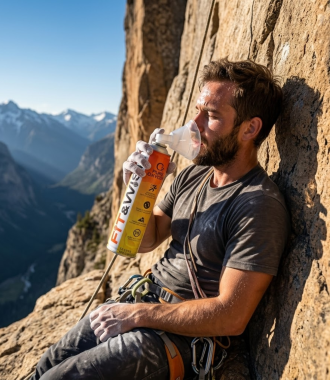
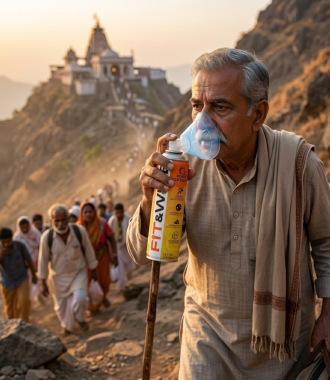
The Fit&Wise Portable Oxygen Can is designed to provide quick, accessible oxygen support in demanding environments like high-altitude climbs.
For climbers, having an immediate source of oxygen can make a significant difference during moments of fatigue, breathlessness, or reduced stamina.
Its compact and lightweight design makes it easy to carry in backpacks without adding unnecessary bulk, making it ideal for trekking and climbing expeditions.
Key Benefits
- Immediate support during breathlessness
- Helps improve stamina at higher altitudes
- Supports faster recovery during rest breaks
- Enhances overall climbing comfort
- Easy to carry and use during expeditions
By improving oxygen availability when needed, it allows climbers to maintain better control over their physical condition.
When Climbers Can Use It
The Fit&Wise Portable Oxygen Can can be used at multiple stages during a climb.
During steep ascents, where oxygen demand increases significantly, it can provide quick support to ease breathing.
It is also useful during rest breaks, helping the body recover more efficiently before continuing the climb.
At higher altitudes, where oxygen levels are naturally lower, it becomes an essential tool for maintaining balance and comfort.
Climbers may also use it during moments of fatigue, dizziness, or discomfort to regain stability and continue safely.
Supporting High-Altitude Climbing Effectively
While oxygen support plays a crucial role, combining it with proper climbing practices ensures the best results.
Some important practices include:
- Maintaining a steady and controlled pace
- Staying well hydrated throughout the climb
- Taking regular breaks to avoid overexertion
- Practicing controlled breathing techniques
- Allowing proper time for acclimatization
Acclimatization is especially important, as it allows the body to gradually adjust to reduced oxygen levels.
When these practices are combined with supplemental oxygen support, climbers can significantly improve both performance and safety.
Long-Term Benefits of Oxygen Awareness
Climbers who actively manage their oxygen intake tend to perform better and adapt more efficiently to high-altitude environments.
They often experience:
- Improved endurance during long climbs
- Better recovery between efforts
- Reduced fatigue and discomfort
- Greater confidence in challenging conditions
This not only enhances the overall climbing experience but also allows individuals to push their limits safely and effectively.
Conclusion: Climb Higher with Better Oxygen Support
High-altitude mountain climbing presents unique challenges, and oxygen availability is one of the most critical factors influencing both performance and safety.
Understanding how altitude affects the body and taking steps to manage oxygen intake can make a significant difference in the climbing experience.
The Fit&Wise Portable Oxygen Can offers a practical and reliable solution for supporting oxygen needs during climbs. Its portability and ease of use make it a valuable companion for trekkers and climbers alike.
With the right preparation, awareness, and oxygen support, climbers can push their limits, perform better, and experience high-altitude adventures with greater comfort and confidence.